
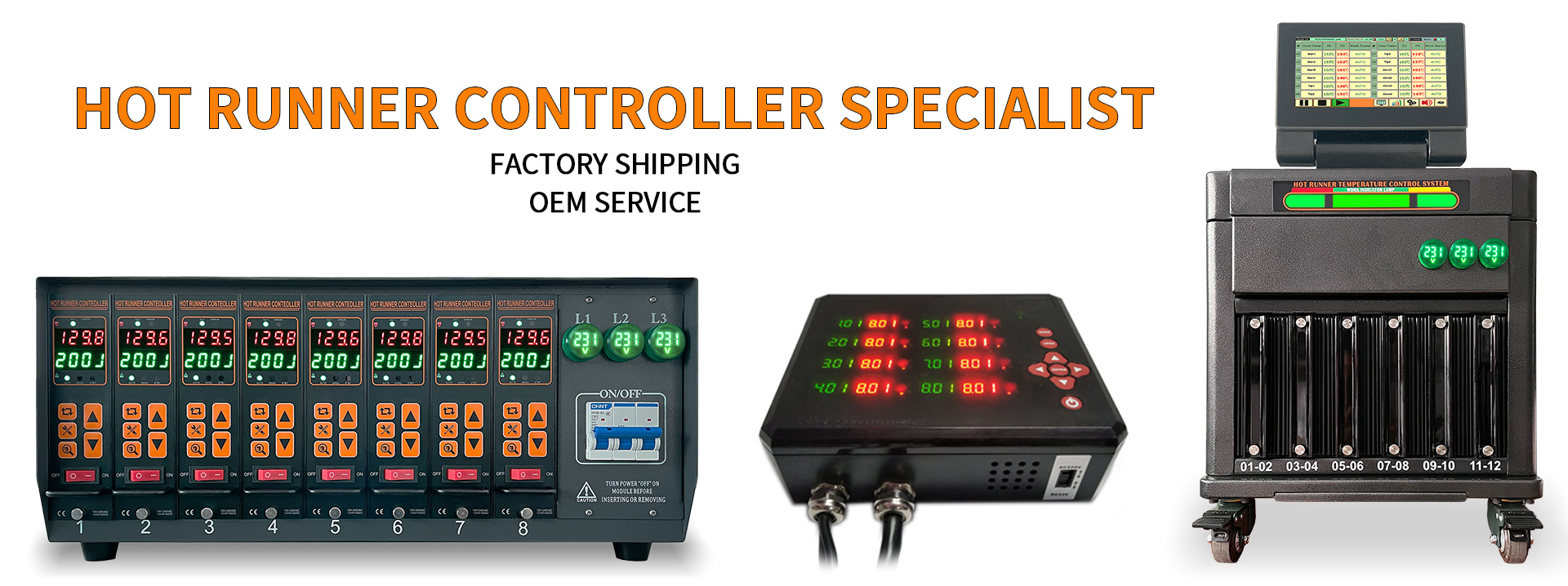
Choosing a hot runner controller should start with the mold, not the catalog. Many buyers compare controller prices first, but the better question is whether the controller fits the number of zones, the operator’s working habits, the production environment and the maintenance process after delivery.
A hot runner temperature controller manages heating zones in the hot runner system. If the temperature is unstable, the molding process may face short shots, material degradation, color variation, flashing, inconsistent part weight or unnecessary downtime. The controller cannot solve every molding problem, but it gives operators the information and control they need to keep the process more predictable.
1. Confirm the Number of Zones
The first step is zone quantity. A small mold may only need a 1-zone, 2-zone or 4-zone modular hot runner controller. A medium mold may use 8 or 12 zones. A larger multi-cavity mold may need 24, 48, 60, 90 or even up to 120 zones depending on the hot runner design.
TOPOWER’s TP01 modular series is often practical for 1-16 zone systems, especially when simple maintenance and plug-in card replacement matter. The HY20 touch screen hot runner controller is better suited for larger systems that require centralized operation and clearer alarm visibility.
2. Decide Between Modular and Touch Screen Control
A modular hot runner controller is usually easier to stock and replace. It is a good choice for distributors, mold testing work and smaller molds where individual zone modules are familiar to operators.
A touch screen hot runner controller becomes more useful as the mold becomes more complex. Operators can check many zones from one interface, adjust settings more efficiently and respond faster when abnormal information appears. For large multi-cavity molds, this can reduce guesswork during production.
3. Check Application and Production Needs
The same controller may be used differently by a mold maker and an injection molding factory. Mold makers may need controllers for testing and project delivery. Factories may focus on stable operation during continuous production. Distributors may care about OEM logo, packaging, certification and whether the product range is easy to explain locally.
4. Do Not Forget Accessories
Cables, connectors, shelves and replacement parts are part of the control system. Before quoting, buyers should confirm heater cable type, thermocouple cable type, connector details and whether accessories should be shipped together with the controller.
5. What to Send Before Requesting a Quote
- Zone quantity and controller type preference.
- Mold type and application.
- Voltage and thermocouple requirements.
- Connector or cable photos if accessories are needed.
- Quantity, destination market and OEM branding needs.
With this information, TOPOWER can recommend a practical hot runner controller configuration instead of only sending a generic price list.