
Self-regulating heat tracing is an advanced industrial temperature maintenance technology. It provides localized thermal output strictly based on ambient pipe temperatures, eliminating massive energy waste.
This guide explores its mechanics, applications, and core installation practices. Whether you manage commercial facilities or oversee chemical processes, mastering these thermal systems is essential.
What is self-regulating heat tracing (and how it works)?
A semi-conductive polymer is extruded between two parallel bus wires. As surrounding temperatures drop, microscopic carbon particles contract, forming countless electrical paths. This lowers resistance, causing the cable to produce heat exactly where needed.
As the pipe warms, the polymer expands, breaking carbon paths and lowering power output automatically. This behavior mimics intelligent Hot Runner Temperature Controllers, but is built microscopically into the cable itself.
Because the bus wires run parallel, you can cut the heating cable to any desired length in the field. This extreme flexibility is vastly superior to older series systems, echoing the ease of deploying robust Hot Runner Cables in complex environments.
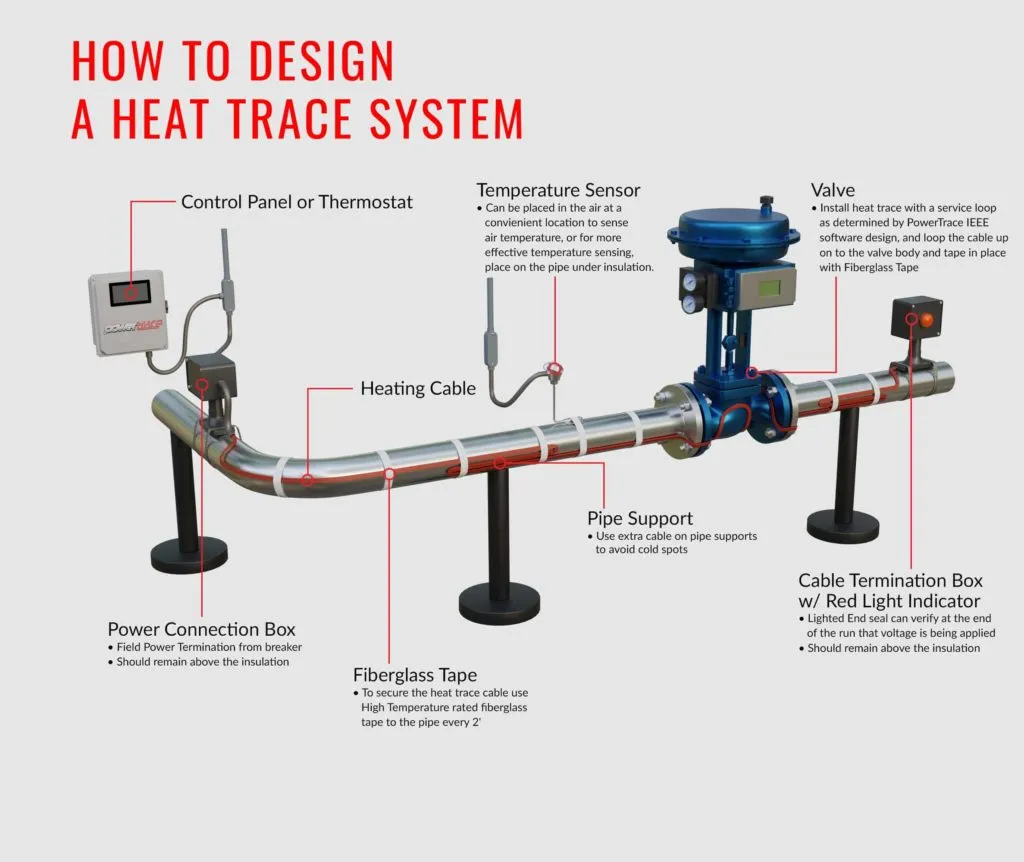
Mastering Self-Regulating Heat Tracing Component
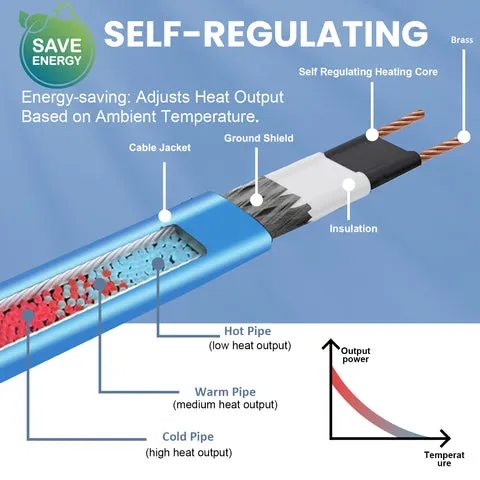
Self-Regulating Heating Cable Cross-Sectio
Market Size and Growth
The electric heat tracing sector is experiencing explosive growth due to strict winterization protocols worldwide. The overall market is projected to grow from USD 2.96B (2024) to USD 4.34B (2029), representing a CAGR of 7.9%.
Within this industry, self-regulating solutions captured a dominant 43.2% share in 2024. Facility upgrades targeting operational energy savings drive this continuous expansion globally.
Looking specifically at the specialized self-regulating segment, this heating cable market is forecast to grow from USD 1,217.44M (2023) to USD 2,289.75M (2031) at an 8.2% CAGR.
| Market Segment | Base Value | Forecast Value | Expected CAGR |
| Total Electric Heat Tracing | USD 2.96B (2024) | USD 4.34B (2029) | 7.9% |
| Self-Regulating Cables | USD 1,217.44M (2023) | USD 2,289.75M (2031) | 8.2% |
Typical Applications
Self-regulating cables fit perfectly into both heavy industrial and commercial infrastructure. A primary industrial process application is maintaining precise chemical viscosity in pipelines and valves. This requires sophisticated consistency, akin to operating a 12 Zone PLC Hot Runner Controller.
Another major application is essential freeze protection. These systems safeguard municipal water pipelines and emergency fire sprinkler lines located in unheated commercial parking garages during extreme winter freezes.
Additionally, roof and gutter de-icing systems heavily utilize these flexible cables. They provide vital melted pathways for runoff water, preventing catastrophic structural damage caused by massive ice dams.
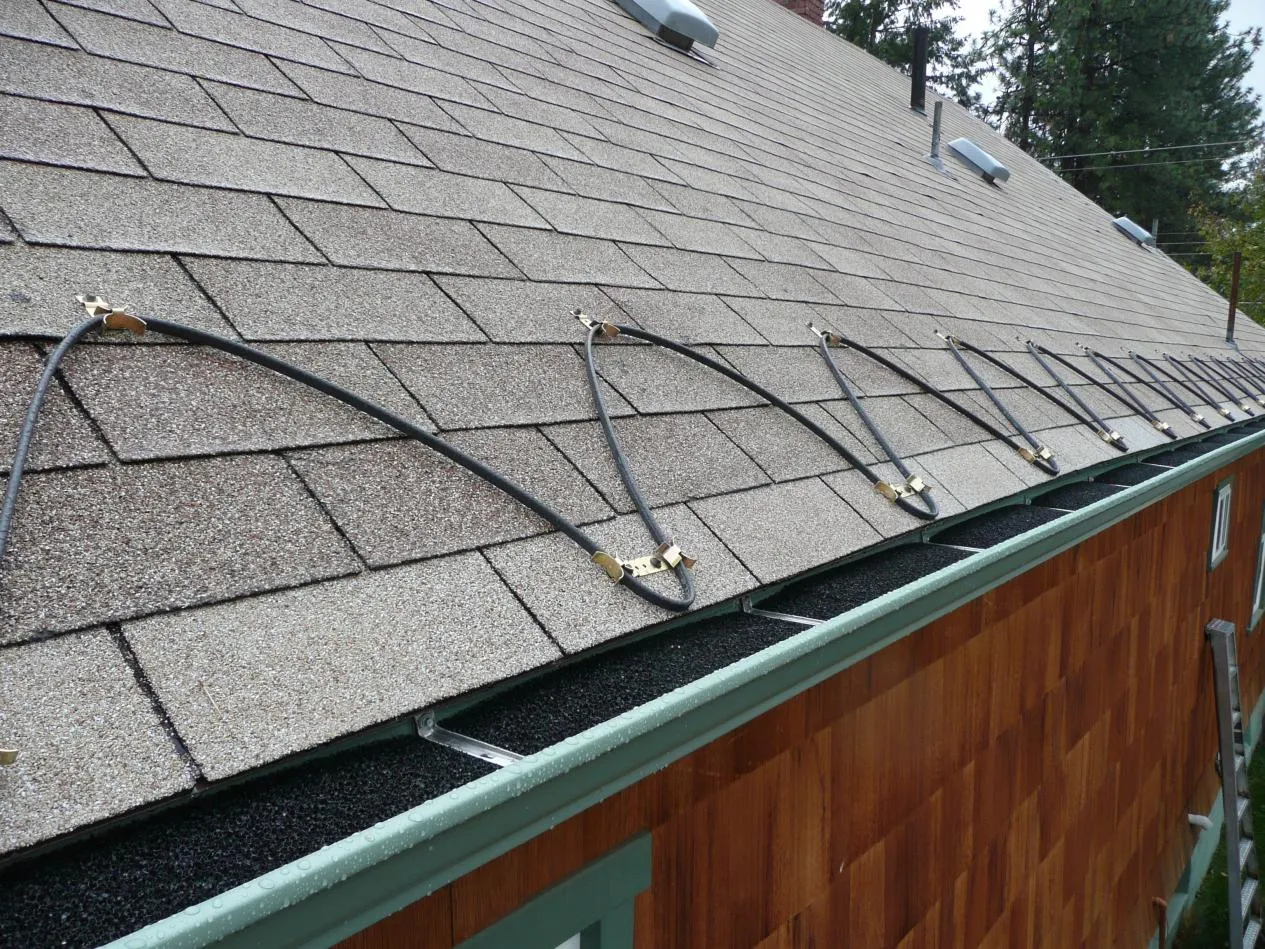
Roof and Gutter De-Icing Installation
How to Select and Install
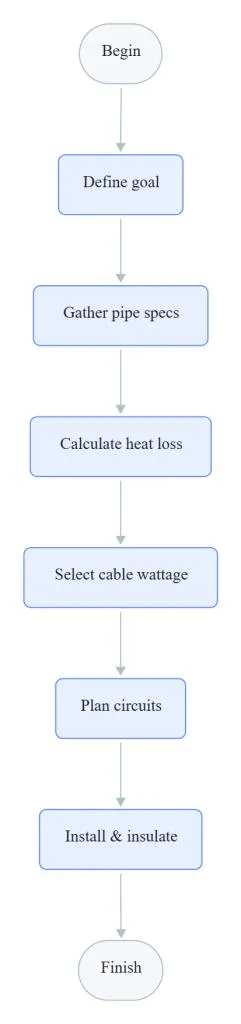
Designing an optimal system requires methodical engineering. First, clearly establish whether you need basic freeze protection or precise process maintenance. Next, gather exact pipe diameters, materials, and total run lengths.
Carefully calculate the required cable wattage by analyzing the insulation thickness against the worst-case regional temperatures. Managing single-pipe electrical networks shares principles with an automated 1 Zone Hot Runner Temperature Controller.
Comparative Alternatives
Understanding the operational trade-offs of alternatives ensures you deploy the optimal heating strategy. Traditional steam and fluid tracing systems output immense heat but waste massive amounts of energy and require high maintenance.
Constant wattage cables deliver fixed thermal output but carry a high risk of catastrophic burnout. For extreme localized pipe heating, engineers often rely on specialized Ceramic Band Heaters or durable mineral-insulated (MI) cables.
| Technology Type | Operational Principle | Safety Profile |
| Self-Regulating | Polymer core changes resistance | Intrinsically safe, cannot overheat |
| Constant Wattage | Fixed resistance outputs steady heat | Requires strict control, burnout risk |
| Mineral-Insulated | Magnesium oxide core | Handles extreme external heat |
| Steam / Fluid Tracing | Circulates hot fluid in tubes | High heat but high leak risk |
Typical Users and Competitor Landscape
Industrial plant managers prioritize ultimate reliability to avoid costly production shutdowns. Conversely, engineering firms focus on code compliance and cost. Long-term reliability relies heavily on robust terminations, similar to utilizing high-quality Hot Runner Controller Connectors.
|
Category |
Key Entities / Description |
|
Heavy Industrial Users |
Refineries and chemical plants needing continuous reliability. |
|
Commercial Contractors |
Plumbers seeking basic plug-and-play freeze protection. |
|
Global Top Competitors |
nVent Raychem, Thermon, and Chromalox dominate the market. |
Key Trends
The industry is rapidly embracing digital internet-of-things monitoring. Modern AI-driven control systems actively monitor circuit resistance trends to warn operators of microscopic insulation degradation well before actual failure occurs.
Additionally, global mandates push facilities away from wasteful steam tracing. They rapidly adopt efficient self-regulating networks paired with advanced ambient-sensing controllers, similar in complexity to a 6 Zone Hot Runner Temperature Controller.
Typical Applications
Self-regulating cables fit perfectly into both heavy industrial and commercial infrastructure. A primary industrial application is maintaining exact chemical viscosity in sprawling refineries. This precise temperature maintenance relies on specialized equipment akin to a 12 Zone PLC Hot Runner Controller.
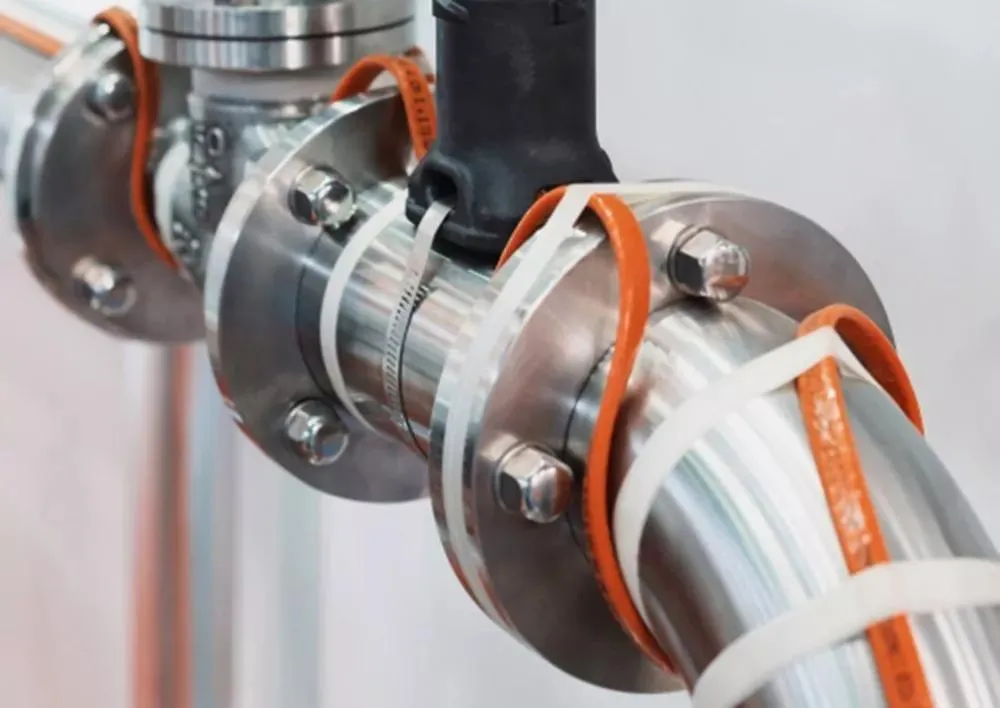
Industrial process piping wrapped securely with heat tracing cable
Another major application is essential freeze protection for municipal water pipelines. By combating external heat loss through the thermal insulation layer, the heat trace system ensures crucial fluids keep flowing during severe winter weather.
In commercial settings, these cables provide life-saving protection for emergency fire sprinkler lines in unheated parking garages. Roof and gutter de-icing systems also utilize them to prevent catastrophic structural damage caused by heavy ice dams.
Comparative Alternatives
While self-regulating systems dominate the broad market, several alternative technologies address highly specific thermal requirements. Understanding their operational trade-offs ensures you deploy the optimal heating strategy for your facility.
Constant wattage cables deliver a fixed thermal output regardless of ambient conditions. They are ideal for incredibly long pipeline runs but require massive external control oversight. Without sophisticated thermal monitoring, constant wattage systems carry a high risk of catastrophic physical burnout.
Mineral-insulated heating cables feature a magnesium oxide core inside a tough metal sheath. These survive extreme exposure temperatures over 1,000°F. For highly localized, high-heat applications on cylindrical surfaces, engineers often rely on specialized Ceramic Band Heaters instead.
| Technology Type | Operational Principle | Safety Profile |
| Self-Regulating Electric | Polymer core changes resistance with temperature | Intrinsically safe, cannot overheat itself |
| Constant Wattage | Fixed resistance wire outputs steady heat | Requires strict control, high risk of burnout |
| Mineral-Insulated (MI) | Magnesium oxide core in metal sheath | Fire resilient, handles extreme external heat |
Typical Users and Competitor Landscape
Different professional personas purchase these systems for entirely different reasons. Industrial plant managers prioritize ultimate reliability and chemical resistance to avoid production shutdowns. Meanwhile, engineering construction firms focus on code compliance and total installed costs.
Smaller contractors prioritize simple, plug-and-play installation. Similar to utilizing high-quality Hot Runner Controller Connectors, the true longevity of the system relies on robust power terminations and proper waterproofing seals.
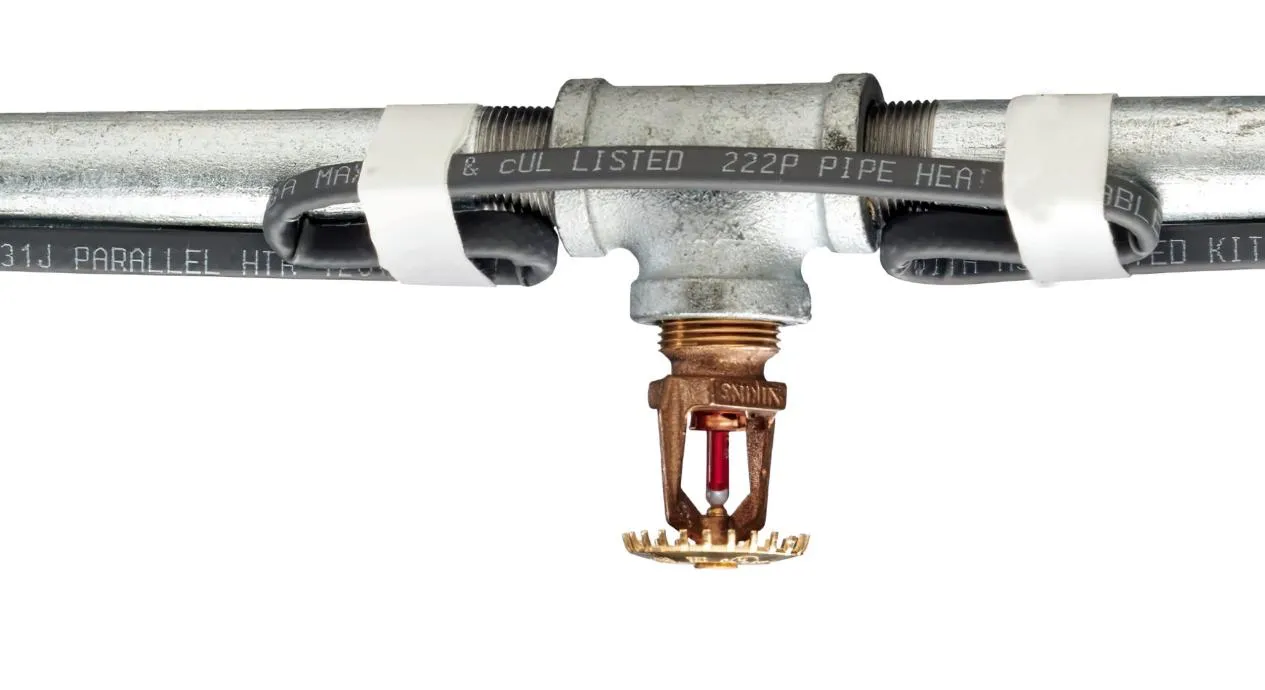
Commercial pipeline network protected against extreme sub-zero weathe
The global competitive landscape remains heavily consolidated at the top tier. Major players like nVent Raychem, Thermon, and Chromalox dominate massive heavy-industrial specification documents. However, an agile tier of regional manufacturers effectively caters to standard commercial plumbing and basic roof de-icing.
Frequently Asked Questions (FAQ)
Can self-regulating heat trace cable safely overlap?
Yes, these cables cross and overlap safely. The internal polymer core automatically throttles back its electrical current where heat accumulates, entirely preventing any localized overheating or physical burnout.
Do I still need a thermostat?
Yes, utilizing an ambient-sensing thermostat is highly recommended. The cable draws minimal baseline power even on warm days. A thermostat disconnects power during warmer weather, dramatically reducing annual energy consumption.
Is a GFCI strictly necessary?
Absolute electrical safety demands a Ground Fault Equipment Protection breaker on every circuit. Because heat trace systems face harsh outdoor weather, this protection is non-negotiable to prevent catastrophic arcing hazards.
Can I install this on plastic pipes?
Yes, self-regulating cable is frequently chosen for its inherent temperature-limiting behavior. However, you must carefully verify specific pipe temperature ratings before installation. Incorporating an appropriate control thermostat is still highly recommended to ensure absolute safety.
What is the maximum circuit length?
Maximum length depends heavily on startup temperature, cable wattage, supply voltage, and breaker size. To ensure safe and effective operation, always consult specific manufacturer charts to determine precise limits for your given application.