
Tubular Heaters: Industry & How‑To Guide
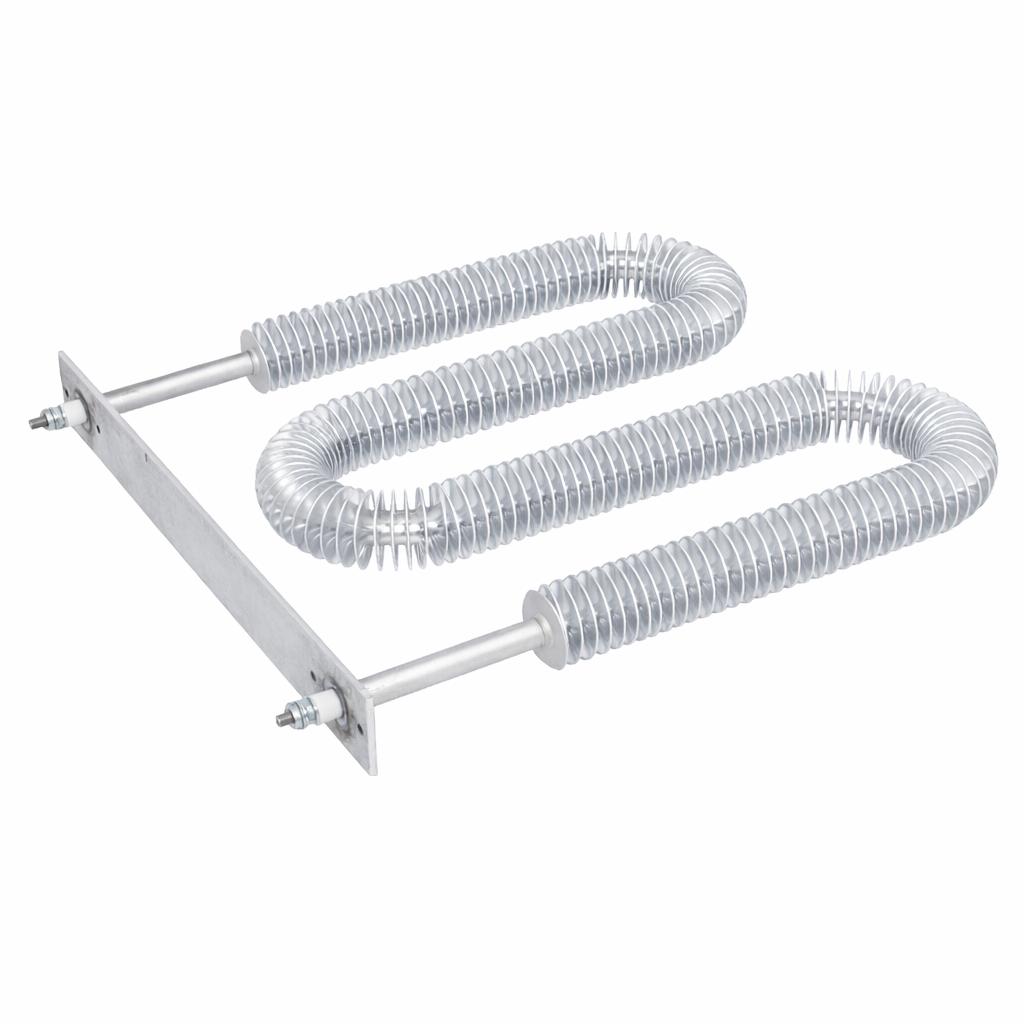
A tubular heater is a versatile electric heating element widely used in commercial settings. These robust devices transfer heat efficiently to liquids, gases, and solid surfaces. For a comprehensive overview, visit our home page to discover more heating solutions and products.
Their exceptional durability and adaptability make them a preferred choice for engineers. They can be custom-formed into various shapes to fit specialized equipment. By reviewing this guide, you will understand how they operate and how to select the right one for industrial processes.
We cover everything from market size to key construction principles, typical applications, and current industry trends. For more insights on related equipment, check our industry blog. Proper knowledge ensures optimal thermal efficiency and maintains safe operating conditions.
Market Size: How Big Is the Tubular Heater Market?
The global demand for tubular heaters continues to grow steadily year over year. Reliable temperature control is crucial across manufacturing sectors, driving consistent market expansion. Major research firms track these capital expenditures, providing a clear picture of how much industries invest in reliable electric heating solutions annually.
| Market Research Firm | Current Value | Projected Value | CAGR |
| Future Market Insights | USD 1.3B (2025) | USD 1.6B (2035) | 2.0% |
| Verified Market Research | USD 1.23B (2024) | USD 1.51B (2031) | 2.60% |
The financial figures from Future Market Insights and Verified Market Research show slight variations due to differing scopes. Regardless of exact baselines, both reputable reports confirm predictable, steady growth driven heavily by global industrial automation initiatives and system upgrades.
How Tubular Heaters Work (Construction & Heat Transfer)
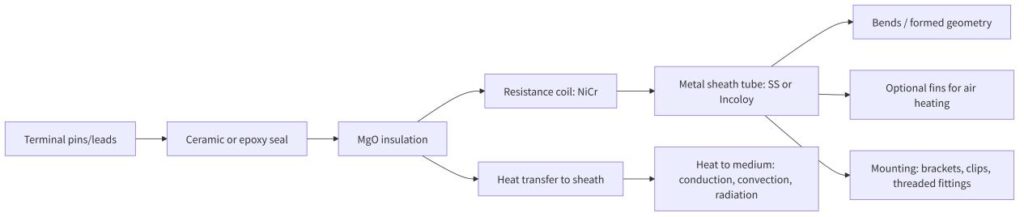
A standard tubular heater features a metal sheath housing a high-resistance heating coil. Magnesium oxide insulation tightly packs the space between the coil and sheath, safely preventing electrical faults while allowing excellent thermal transfer into the surrounding environment.
When energized, the internal resistance coil generates intense heat. This energy conducts through the insulation to the outer sheath, which then transfers heat into the medium. Adding external fins dramatically increases the surface area for rapid convective heat dissipation.
How to Select a Tubular Heater (Step-by-Step)

Selecting the correct heater requires identifying the exact heating medium, whether air, liquid, or solid. The chosen medium dictates the required watt density and the ideal sheath material. You must also evaluate the operating environment, as corrosive chemicals demand specialized protective enclosures.
Your final specification must include voltage, total wattage, and heated length. Precision control is vital. Integrating a hot runner temperature controller provides exceptional thermal management, ensuring your entire system operates flawlessly within desired safety limits.
Typical Applications (Where Tubular Heaters Show Up)
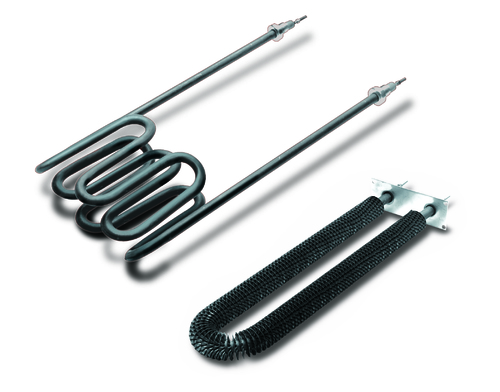
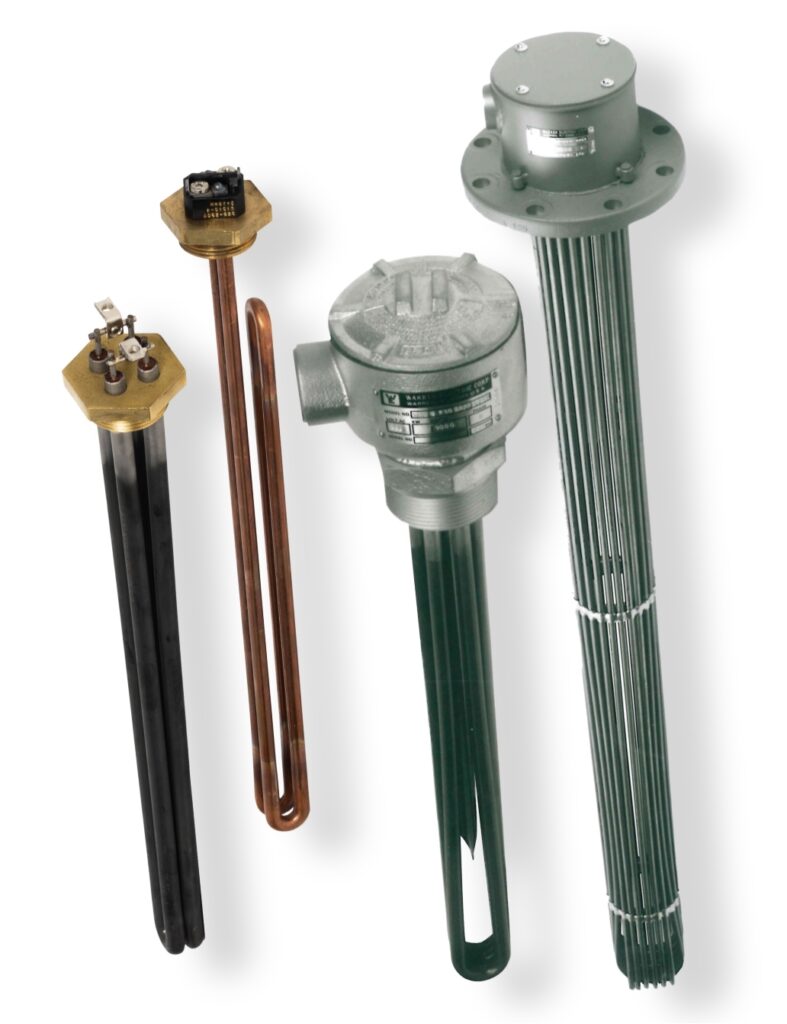
Tubular heaters appear across diverse commercial landscapes. In forced-air systems, finned elements efficiently heat air inside HVAC ducts and baking ovens. Their robust construction easily handles high airflow velocities without compromising thermal stability or overall structural integrity.
| Application Type | Common Uses | Heater Style |
| Air & Gas Heating | HVAC ducts, industrial ovens, drying cabinets | Finned Tubular Heaters |
| Liquid Immersion | Water tanks, chemical baths, oil reservoirs | Direct Immersion Tubular |
| Surface & Solid Heating | Platens, packaging seal bars, hot plates | Cast-in or Clamped Tubular |
| Commercial Appliances | Deep fryers, commercial dishwashers | Custom Formed Tubular |
For liquid heating, direct immersion heaters act as the industry standard. Submerging the element directly achieves near-perfect heat transfer efficiency. Elements are also cast into metal plates or clamped to surfaces for specialized commercial foodservice and precision packaging machinery.
Comparative Alternatives (What Else Could You Use?)
| Heater Alternative | Best Used For | Key Strengths | Notable Limitations |
| Cartridge Heaters | Solid metal block heating | High watt density, compact | Limited to bored holes |
| Band Heaters | Cylindrical pipes, extruders | Uniform circumferential heat | Cannot heat flat surfaces |
| Strip Heaters | Flat surface conduction | Low profile, easy mounting | Lower maximum temperatures |
| Open-Coil Elements | Low-velocity air heating | Rapid heat-up, inexpensive | Exposed live wires, unsafe in wet areas |
| Thermal Oil / Steam | Massive plant-wide heating | Huge heat capacity, non-electric | Requires complex piping and boilers |
While tubular elements are highly adaptable, non-electric alternatives like steam distribute heat across massive plants but require complex piping. When precision is paramount, electric heating typically wins. Pairing an electric heater with a modular hot runner controller offers superior, highly responsive performance.
Typical Users (Who Buys Tubular Heaters, and Why?)
OEM Appliance Makers
Original Equipment Manufacturers integrate these heaters into commercial ovens and fryers. They prioritize extreme reliability, standardized dimensions, and regulatory safety approvals to maintain their brand reputation.
HVAC Equipment Manufacturers
HVAC builders use finned elements in heavy-duty duct heaters. They strictly prioritize aerodynamic designs minimizing pressure drop while maximizing heat transfer, alongside fast lead times.
Plastic Processing Equipment Builders
Precise temperature control is critical for material viscosity. Builders demand customized elements and frequently pair heaters with a touch screen hot runner controller for intuitive management.
Industrial Maintenance and Plant Engineers
Plant engineers purchase replacement heaters to minimize costly downtime. They consistently seek rugged elements capable of withstanding harsh environments without frequent, disruptive maintenance interventions.
System Integrators
Integrators design comprehensive thermal systems for specialized processes. Demonstrating strong quality capability is crucial, as they must guarantee safety and efficiency for complex turnkey solutions.
Competitor Landscape (Who Makes Tubular Heaters?)
| Manufacturer | Market Positioning | Key Focus |
| Watlow | Versatility, formed configurations | Immersion and air heating |
| Chromalox | Versatility, formed configurations | Immersion and air heating |
| Tempco | Offers tubular heater products | Standard industrial elements |
| Indeeco | Offers tubular heater products | Standard industrial elements |
| Backer | Offers tubular heater products | Standard industrial elements |
| WATTCO | Offers tubular heater products | Standard industrial elements |
| Durex | Offers tubular heater products | Standard industrial elements |
Leading brands like Watlow and Chromalox highlight versatility in their custom-formed immersion and air configurations. Other notable manufacturers, including Tempco, Indeeco, Backer, WATTCO, and Durex, offer robust standard industrial elements.
Key Trends (What’s Changing in Tubular Heaters)
A major trend is the widespread electrification of industrial process heat, strongly driven by global decarbonization goals. Facilities are rapidly replacing fossil-fuel burners with efficient electric elements to reduce emissions.
Energy efficiency remains paramount. Modern systems employ advanced insulation techniques to aggressively minimize thermal waste. Smarter digital controls ensure heaters only draw power when absolutely necessary to maintain precise setpoints.
Advancements in sheath materials expand operational boundaries, providing exceptional resistance to high-temperature oxidation. To explore how technology is continually evolving, please visit our explore our products page for details.
Frequently Asked Questions
How do I conceptualize wattage sizing?
Wattage sizing strictly depends on the mass of the heated material, specific heat, and required temperature rise over time. You must carefully account for thermal losses to ensure adequate power.
What does watt density mean?
Watt density is the power output per square inch of heater surface. A low watt density spreads heat broadly, crucial for heating viscous liquids like oil without causing rapid degradation.
When should I choose finned versus unfinned elements?
Choose finned elements when heating flowing air, as external fins massively increase heat transfer area. Use unfinned, smooth elements for liquid immersion or securely casting into solid metal components.
How do I select the right sheath material?
Selection depends entirely on the operating environment. Standard copper works for clean water, while corrosive chemical baths require stainless steel, titanium, or specialized high-nickel alloys to prevent rapid degradation.
How do I manage chemical corrosion?
Combat corrosion by matching the sheath alloy perfectly to the fluid's chemical makeup. Routine maintenance checks and proper cleaning also preserve sheath integrity, ensuring a longer lifespan in challenging environments.
What are the high-temperature limits for these heaters?
Operating temperatures are strictly constrained by the internal resistance wire and outer sheath. Specialized super-alloy sheaths and high-purity magnesium oxide insulation are required to safely execute extreme high-temperature applications.
How are these heaters typically controlled?
Tubular elements often use mechanical thermostats for basic applications. For highly demanding processes, precise thermocouples are paired with advanced digital controllers to prevent catastrophic overheating and ensure consistent quality.
What are the basic wiring and safety considerations?
Proper wiring requires sized high-temperature leads and secure terminal connections. Grounding the heater sheath is absolutely critical for operator safety. Always follow strict local electrical codes and match voltage correctly.
How long is the lead time for custom bends?
Lead times vary significantly by manufacturer and configuration complexity. Simple layouts ship rapidly, while engineered shapes take longer. Contact us directly for accurate, specific delivery estimates.
When should I choose alternatives over tubular heaters?
Choose alternatives when space is highly confined, requiring dense cartridge heaters, or when heating exterior cylindrical pipes with band heaters. For further specialized guidance, review our dedicated FAQ page.