
What Is a CNC Titanium Fabrication Corporation?
A CNC titanium fabrication corporation specializes in machining titanium alloys using computer numerical control equipment. These companies combine precision milling, turning, and drilling capabilities with the specific knowledge required to work with titanium's unique metallurgical properties. For mold making factories, partnering with a qualified CNC titanium fabrication corporation can mean the difference between consistent tooling performance and recurring replacement costs.
Standard machining shops often struggle with titanium. The material's low thermal conductivity traps heat at the cutting edge. Its high strength-to-weight ratio demands rigid setups and specialized tooling. A dedicated CNC titanium fabrication corporation invests in the equipment, tooling, and process knowledge to handle these challenges consistently. Mold makers benefit from this specialization when they engage a CNC titanium fabrication corporation for their critical tooling components.
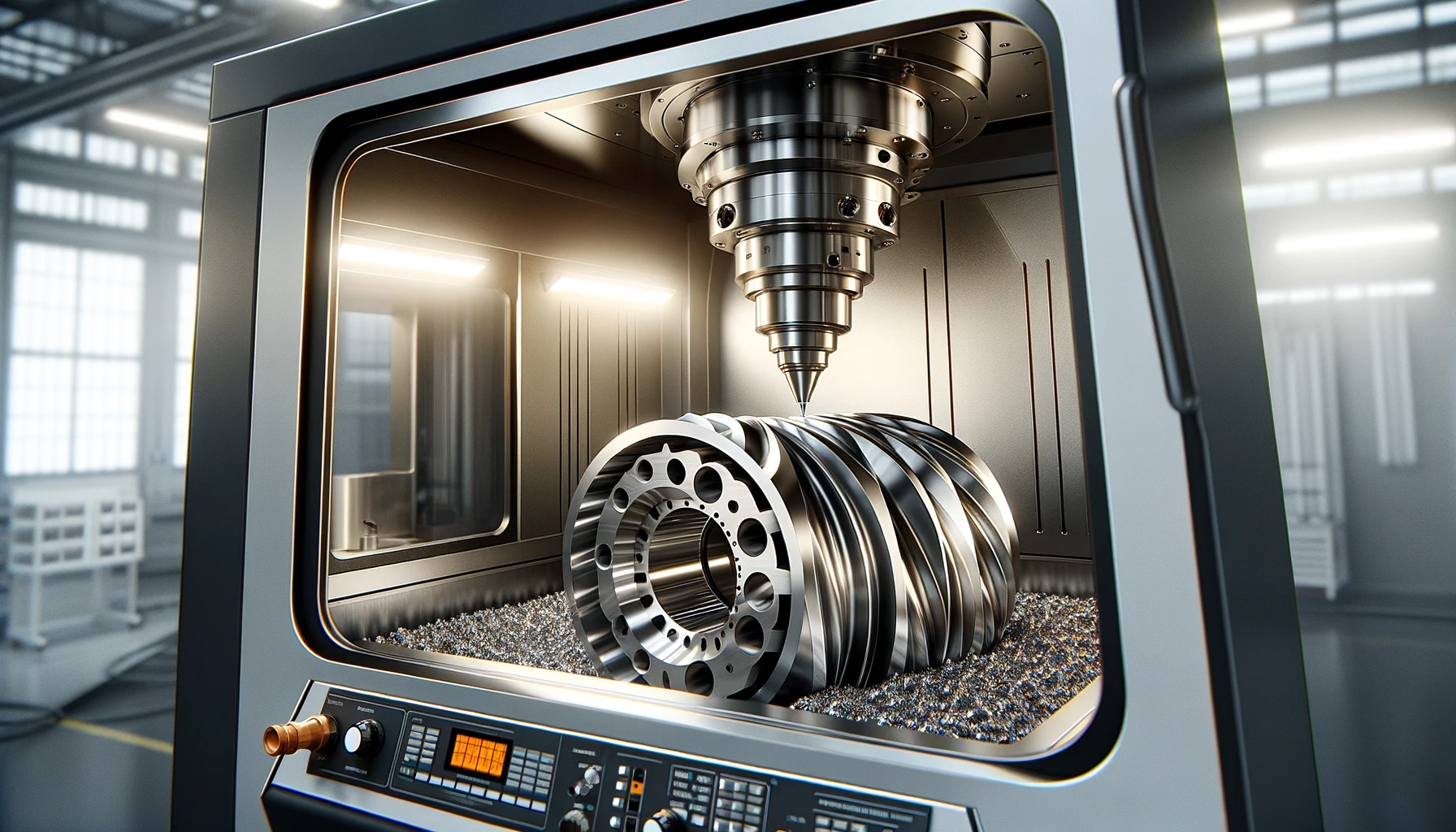
For injection mold makers specifically, titanium components show up in hot runner system parts, mold inserts, core pins, and ejection mechanisms. The material's corrosion resistance becomes valuable when molds run aggressive plastics like PVC or flame-retardant grades. Its fatigue strength suits applications requiring repeated cycling without dimensional drift.
Why Mold Makers Need Titanium Fabrication Partners
Mold building demands tight tolerances. Typical injection mold cavities require ±0.005 mm or better. Titanium's spring-back during machining and its tendency to work-harden make hitting these numbers harder than with P20 or H13 steel.
A qualified CNC titanium fabrication corporation brings several advantages to mold projects. First, a capable CNC titanium fabrication corporation understands feeds and speeds for titanium grades like Ti-6Al-4V (Grade 5), Ti-6Al-4V ELI (Grade 23), and commercially pure titanium (Grade 2). Each grade machines differently. Grade 5 offers the best strength but generates significant heat during cutting. Grade 23 provides improved fracture toughness for critical mold components. Grade 2, while softer, suits non-structural mold parts where corrosion resistance matters most.
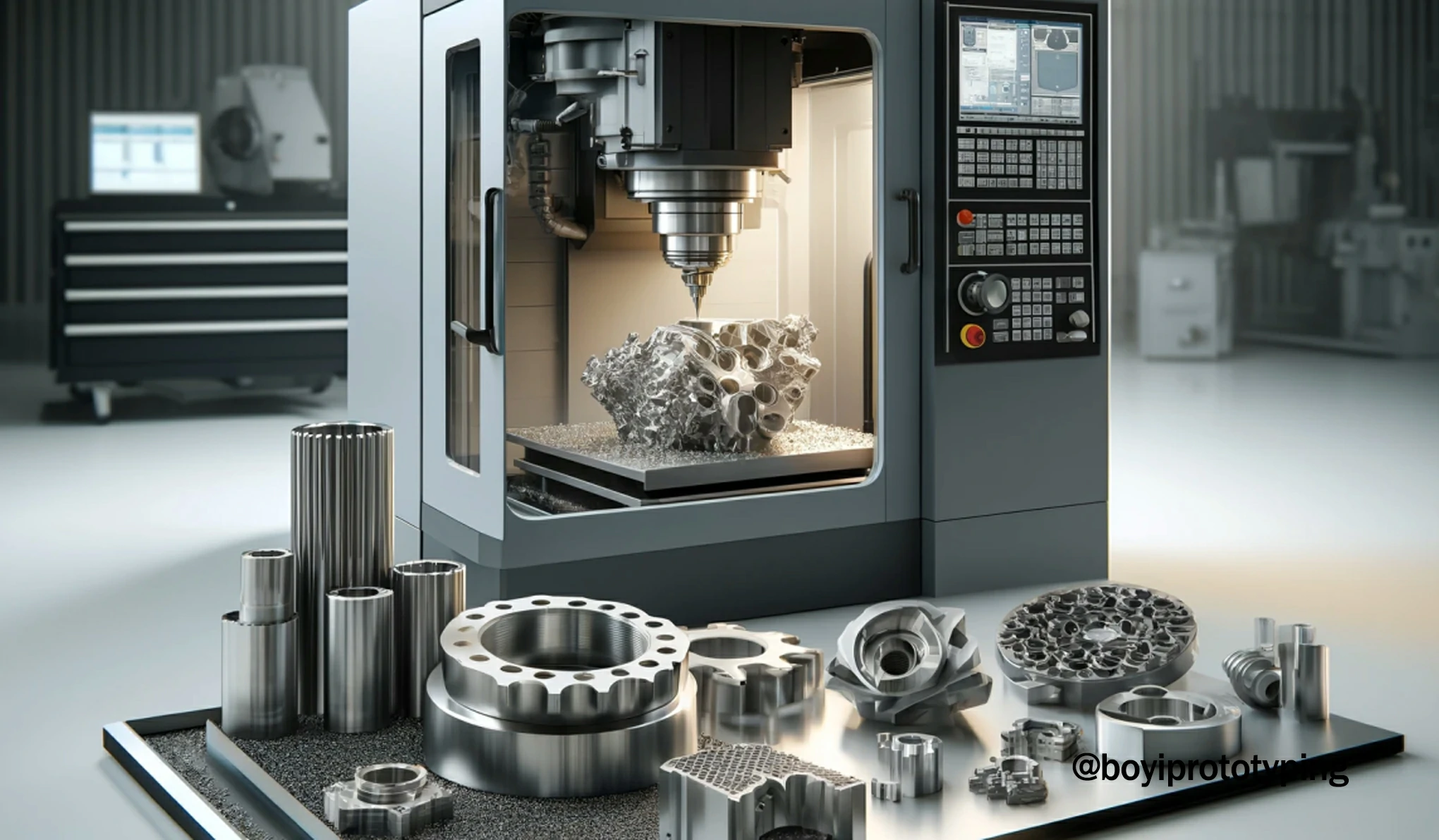
Second, these shops maintain the rigid machine platforms needed for titanium work. A 5-axis CNC mill with a 40-taper or 50-taper spindle, through-spindle coolant, and vibration-dampened construction is standard equipment. Without this level of machine capability, achieving the surface finishes mold makers need—typically 0.4 μm Ra or better on cavity surfaces—becomes unreliable.
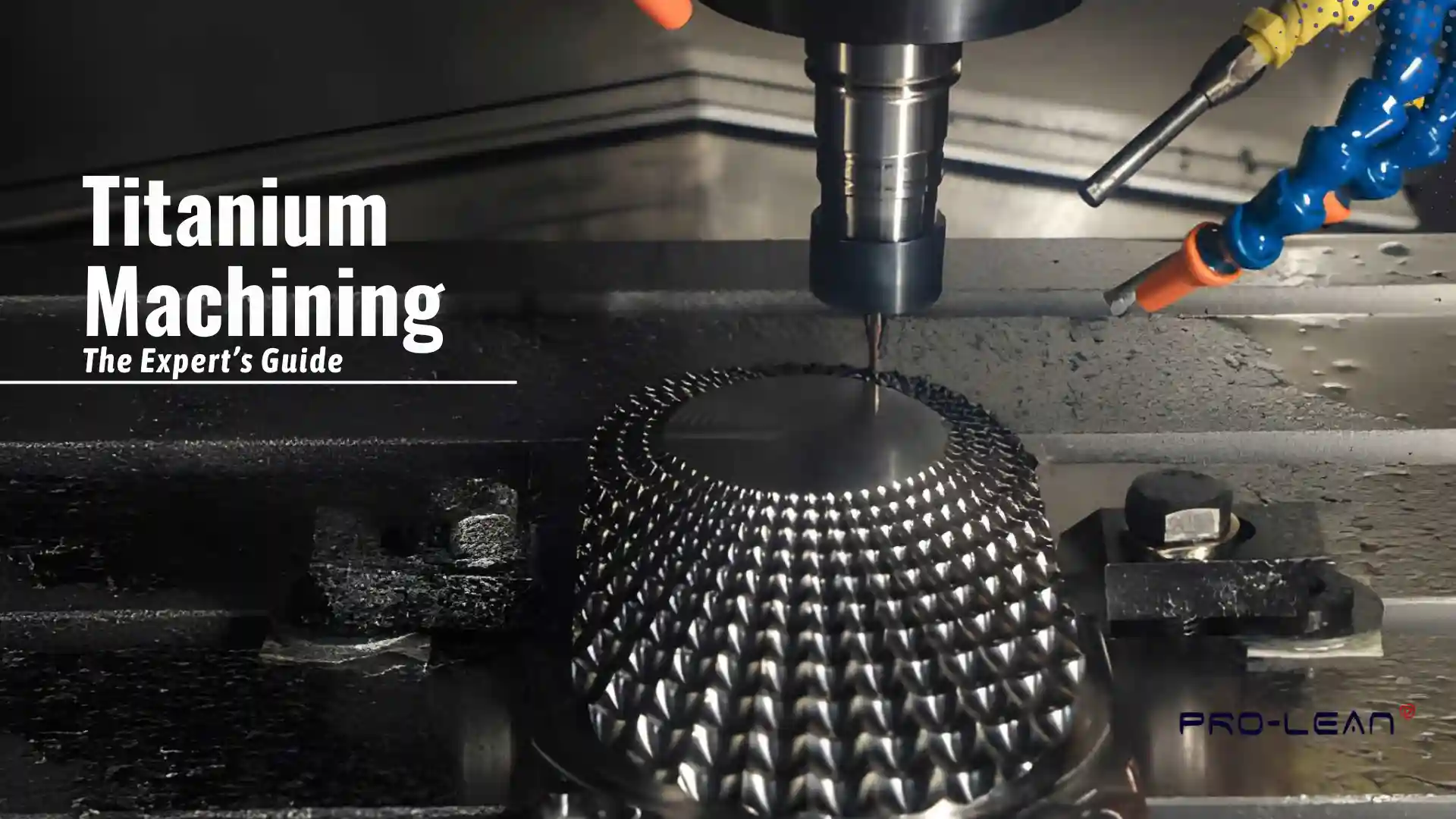
Third, they stock or can source the right cutting tools. Titanium requires sharp, positive-rake geometries with high-pressure coolant delivery. Carbide grades with AlTiN or TiAlN coatings perform best. Toolpath strategies differ too: trochoidal milling, adaptive clearing, and constant engagement angle toolpaths reduce heat buildup and extend tool life.
Key Processes a CNC Titanium Fabrication Corporation Should Offer
Not all fabrication shops are created equal. When evaluating a CNC titanium fabrication corporation for mold making projects, look for these core capabilities.
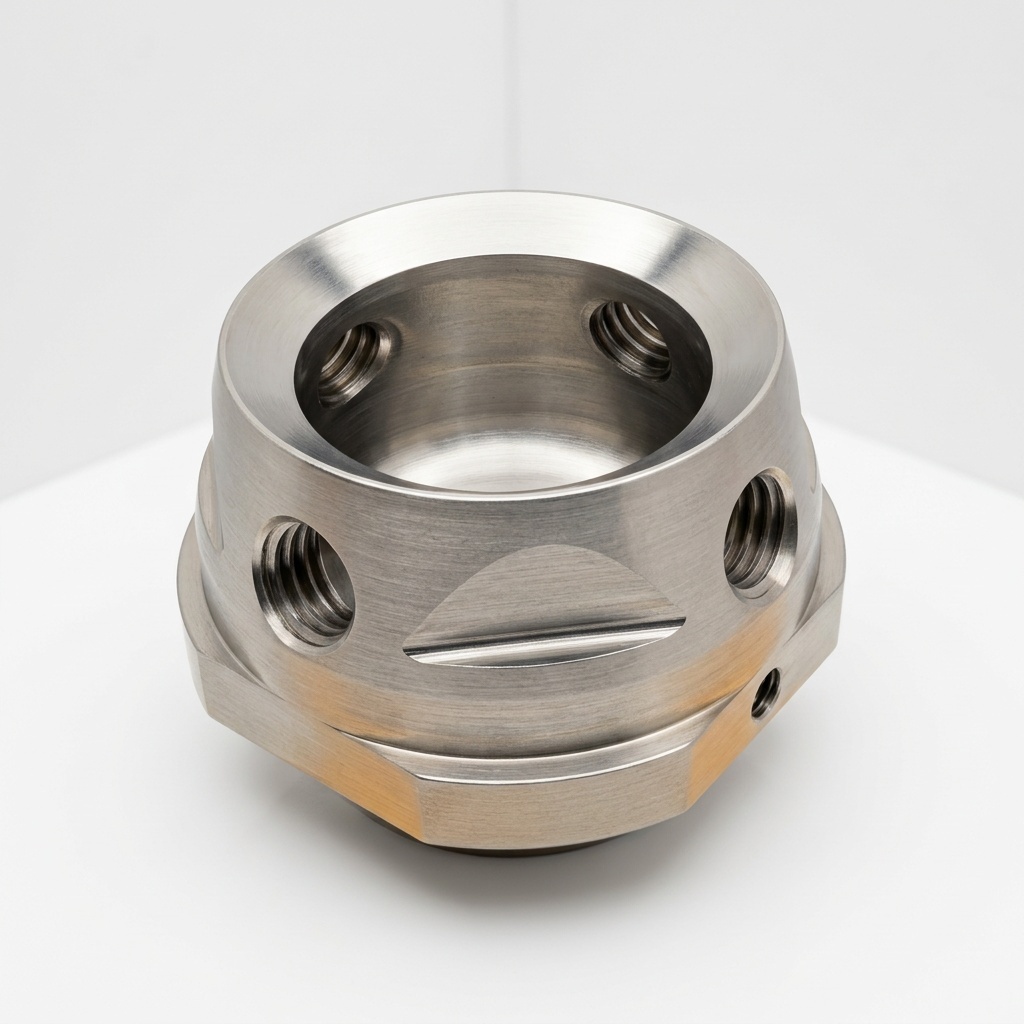
5-Axis CNC Milling for Complex Mold Geometries
Mold components often feature complex 3D surfaces, undercuts, and tight internal corners. 5-axis milling allows the cutting tool to maintain optimal orientation relative to the work surface. This reduces the need for multiple setups and improves surface finish on contoured cavity faces. For titanium, 5-axis machining also helps manage chip evacuation since the spindle can be tilted to clear chips from deep pockets.
Precision Turning for Hot Runner Components
Hot runner systems rely on precisely turned components: nozzle tips, manifold plugs, and heater bore inserts. For optimal performance, these components work with hot runner controller systems that maintain precise temperature control. Titanium's dimensional stability under thermal cycling makes it a strong candidate for these parts. A qualified fabrication partner should offer CNC turning with live tooling capability, holding tolerances to ±0.005 mm on diameters and ±0.01 mm on thread positions.
Wire EDM and Sinker EDM for Detail Work
Some titanium mold components require features that conventional cutting cannot reach. Wire EDM (electrical discharge machining) cuts through titanium cleanly, producing burr-free edges on critical seal surfaces. Sinker EDM creates complex cavities, cooling channels, and texturing details in titanium inserts. Not every CNC titanium fabrication corporation offers in-house EDM, so confirm availability if your mold design calls for it. A full-service CNC titanium fabrication corporation should either have EDM in-house or partner with a qualified EDM provider.
Heat Treatment and Stress Relieving
Titanium alloys respond to heat treatment differently than tool steels. Grade 5 titanium can be solution treated and aged to reach tensile strengths above 1,100 MPa. Stress relieving after rough machining reduces dimensional changes during final finishing. Ask potential fabrication partners about their heat treatment partnerships or in-house capability for titanium-specific thermal processing.
Surface Finishing and Passivation
Titanium's natural oxide layer provides its corrosion resistance. After machining, proper passivation restores this layer. For mold applications where plastic residue buildup is a concern, electropolishing creates a smoother surface that releases molded parts more easily. Some fabrication shops also offer micro-bead blasting or controlled oxidation for aesthetic or functional surface requirements.
CNC Titanium Fabrication Process Flow
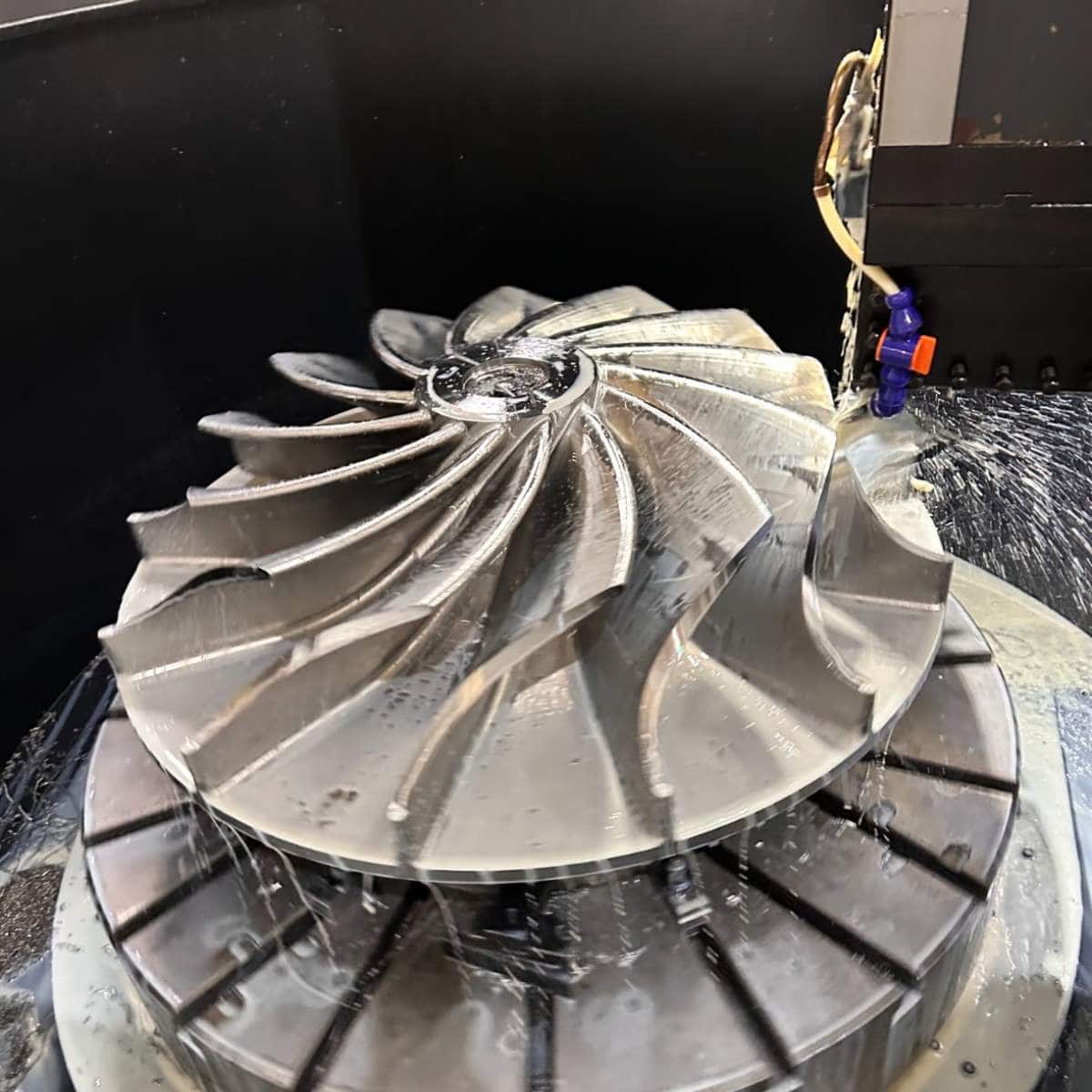
The workflow at a CNC titanium fabrication corporation from raw material to finished mold component follows a structured path. Understanding this process helps mold makers set realistic expectations for lead times and quality.
Step 1 - Material Verification. Incoming titanium stock is verified against mill certifications. Grade, heat number, and chemical composition are checked. For aerospace-grade or medical-grade applications, additional traceability documentation may be required.
Step 2 - Rough Machining. The bulk of material removal happens here. Roughing passes use large depths of cut with moderate feed rates. Chip breaking is critical—titanium produces stringy, continuous chips that can wrap around tooling if not managed properly. High-pressure coolant (70-100 bar) breaks chips and flushes them from the cutting zone.
Step 3 - Stress Relief (if specified). After roughing, the part may undergo stress relief at 480-650°C depending on the alloy. This step relieves residual stresses from both the raw material and the machining process, improving dimensional stability for finishing.
Step 4 - Semi-Finishing. With 0.5-1.0 mm of stock remaining, semi-finishing passes bring the part close to final dimensions. Toolpaths are optimized to maintain consistent chip load, preventing work-hardening of the titanium surface.
Step 5 - Finishing. Final passes remove 0.1-0.3 mm per side. Finishing speeds are typically higher than roughing, with lighter depths of cut. Surface finish targets of 0.4 μm Ra or better are achievable with proper tool selection and coolant application.
Step 6 - Inspection. Dimensional inspection using CMM (coordinate measuring machine) confirms compliance with print tolerances. Surface roughness is verified with profilometry. For critical mold components, non-destructive testing methods like fluorescent penetrant inspection may catch surface defects invisible to visual inspection.
Step 7 - Secondary Operations. Thread milling, tapping, EDM work, and surface treatments are completed. Each secondary operation requires its own setup, which adds to lead time but is necessary for complete mold-ready components.
Step 8 - Final Cleaning and Packaging. Titanium parts are cleaned to remove all machining residues. For mold applications, parts may be ultrasonic cleaned and vacuum-sealed to prevent contamination before installation.
How to Select the Right CNC Titanium Fabrication Corporation
Mold makers evaluating a CNC titanium fabrication corporation should weigh several factors beyond price alone. The right partner delivers consistent quality, reliable lead times, and technical support throughout the project lifecycle.
Experience with mold-grade tolerances. General machining tolerances of ±0.1 mm are not sufficient for mold components. Look for shops that regularly hold ±0.005 mm or better on titanium parts. Ask for case studies or references from other mold-making clients.
Titanium-specific certifications. AS9100 (aerospace) and ISO 13485 (medical) certifications indicate that a shop has documented quality systems for titanium work, even if your mold projects don't fall into those regulated categories. These certifications require rigorous process control that benefits all titanium machining. TOPOWER's quality capability demonstrates the level of process control mold makers should expect from their partners.
Communication and engineering support. Titanium fabrication often requires design-for-manufacturability (DFM) feedback. A strong partner will review your drawings and suggest adjustments to reduce cost or improve machinability without compromising function. This collaboration is especially valuable for complex hot runner components where material choice and geometry interact.
Lead time reliability. Titanium machining takes longer than steel or aluminum. A reputable CNC titanium fabrication corporation will provide realistic lead time estimates and communicate early if schedules slip. For mold makers working to tight production deadlines, reliable delivery is as important as technical capability.
Titanium vs. Traditional Mold Materials
| Property | Titanium (Grade 5) | P20 Tool Steel | H13 Tool Steel | 304 Stainless |
|---|---|---|---|---|
| Tensile Strength (MPa) | 1,100 | 965 | 1,990 | 585 |
| Density (g/cm³) | 4.43 | 7.85 | 7.80 | 8.00 |
| Corrosion Resistance | Excellent | Poor | Fair | Good |
| Max Service Temp (°C) | 315 | 540 | 595 | 870 |
| Thermal Conductivity (W/m·K) | 6.7 | 29.0 | 24.3 | 16.2 |
| Machinability Rating | Fair | Good | Fair-Good | Fair |
| Relative Cost | High | Low | Low-Moderate | Moderate |
Titanium's key advantage for mold making is not raw strength but its combination of corrosion resistance, light weight, and dimensional stability. For hot runner components exposed to aggressive plastics, titanium significantly outlasts tool steel. The weight saving — nearly 45% less dense than steel — matters for large mold inserts that must be handled during maintenance. A CNC titanium fabrication corporation experienced in mold work can help identify which components benefit most from titanium rather than conventional materials.
Applications in Injection Mold Making
Titanium components appear throughout injection mold tooling. Here are the most common applications where a CNC titanium fabrication corporation adds value.
Hot runner nozzle tips. Titanium's low thermal conductivity (6.7 W/m·K versus 29 W/m·K for tool steel) helps maintain precise melt temperature control at the gate. This reduces stringing and improves part quality in applications processing engineering plastics.
Core pins and inserts. In molds running PVC or other corrosive materials, titanium core pins resist pitting and surface degradation far longer than chrome-plated steel pins. The initial cost premium is offset by reduced maintenance frequency and longer tool life.
Slider and lifter bodies. Titanium's weight advantage reduces the inertia of moving mold components, allowing faster cycle times in high-speed molding applications. Lighter sliders also reduce wear on guide rails and angular pins.
Cooling channel plugs and baffles. Titanium's corrosion resistance prevents scale buildup in cooling circuits, maintaining consistent heat transfer over extended production runs. This is particularly valuable when molds run with untreated or hard process water.
Threaded inserts and wear pads. For high-cavitation molds running thousands of cycles daily, titanium wear components outlast steel alternatives. The material's galling resistance — a common failure mode for stainless steel threaded inserts — makes titanium a reliable choice for frequently removed components.
Cost Considerations When Working with a CNC Titanium Fabrication Corporation
Titanium fabrication through a CNC titanium fabrication corporation costs more than steel or aluminum machining at a conventional shop. Understanding where the costs come from helps mold makers budget accurately and evaluate quotes fairly.
Material cost is the first factor. Titanium plate and bar stock cost 5-10 times more than equivalent tool steel grades. Material utilization matters too—titanium offcuts have limited scrap value compared to steel, so shops factor yield into their pricing.
Machining time is the second major cost driver. Titanium cuts at roughly 20-30% of the speeds achievable with P20 steel. A titanium mold insert that would take 4 hours in steel might require 12-16 hours in titanium. This extended cycle time directly increases the fabrication cost.
Tooling consumption adds a third layer. Carbide end mills cutting titanium wear faster than when cutting steel. A typical tool life in titanium might be 30-60 minutes of cutting time versus several hours in steel. These consumable costs are passed through in the shop rate.
| Cost Factor | Titanium (Grade 5) | P20 Steel | 7075 Aluminum |
|---|---|---|---|
| Material Cost (per kg) | $30-50 | $3-8 | $5-10 |
| Relative Machining Time | 3-4x | 1x (baseline) | 0.5x |
| Tool Life (relative) | 0.3x | 1x (baseline) | 3x |
| Surface Finish (μm Ra) | 0.4 achievable | 0.2 achievable | 0.4 achievable |
| Overall Part Cost Premium | 3-8x vs steel | Baseline | 0.6-0.8x |
For mold makers working with mold bases and inserts, despite the higher upfront cost, many mold makers find that engaging a CNC titanium fabrication corporation for titanium components is cost-effective over the full tool life. Reduced corrosion-related downtime, fewer replacement inserts, and consistent part quality over extended production runs often offset the initial premium. For molds running 500,000+ cycles annually, the total cost of ownership calculation favors titanium in applications where its properties match the requirements.
Decision Framework: When to Specify Titanium for Mold Components
The choice between titanium and conventional mold materials depends on the specific application. Here is a practical decision framework for mold makers evaluating whether a CNC titanium fabrication corporation should be engaged.
Use titanium when: the mold runs corrosive plastics (PVC, flame-retardant grades, fluoropolymers); the component requires weight reduction for high-speed moving elements; the part operates in a high-moisture environment; or thermal isolation is needed to control gate temperature precisely.
Stick with tool steel when: the mold operates above 350°C service temperature; the component requires maximum wear resistance against abrasive fillers (glass fiber, mineral fillers); or the part geometry is simple enough that corrosion protection can be achieved with surface coatings at lower cost.
Consider aluminum when: the mold is for prototype or short-run production; the component is large and weight reduction is critical; or thermal conductivity is the primary requirement (aluminum conducts 4x better than titanium).
Key Trends Shaping CNC Titanium Fabrication
The CNC titanium fabrication landscape continues to evolve. Mold makers should be aware of several trends that affect cost, lead time, and capability.
Additive manufacturing integration. Some CNC titanium fabrication corporations now combine 3D printing with traditional machining. Near-net-shape titanium blanks produced by laser powder bed fusion reduce material waste and machining time. The printed blank requires finish machining but starts much closer to final geometry than a solid block. This hybrid approach can reduce total cost for complex titanium mold components by 30-40%.
Advanced toolpath optimization. Modern CAM software generates toolpaths specifically optimized for titanium. Constant engagement angle strategies, adaptive trochoidal milling, and high-efficiency roughing algorithms reduce cutting forces and extend tool life. Shops investing in the latest CAM technology can offer more competitive pricing on titanium work.
High-pressure coolant systems. The standard for titanium machining has shifted from 20-bar coolant to 70-100 bar systems. These high-pressure systems break chips effectively and remove heat from the cutting zone, allowing higher material removal rates. Shops without high-pressure coolant capability are at a significant disadvantage for titanium work.
Automation and lights-out manufacturing. Robotic part loading and pallet systems enable CNC titanium fabrication corporations to run unattended shifts. Given the long cycle times typical of titanium machining, automation improves machine utilization and can reduce lead times. Ask potential partners about their automation capability when evaluating their capacity for your mold projects.
Frequently Asked Questions
What is a CNC titanium fabrication corporation?
A CNC titanium fabrication corporation is a manufacturing company specializing in machining titanium alloys using computer numerical control equipment. These companies provide precision milling, turning, drilling, and finishing services specifically for titanium components used in aerospace, medical, mold making, and industrial applications.
Why is titanium difficult to machine?
Titanium's low thermal conductivity traps heat at the cutting edge, causing rapid tool wear. Its high strength at elevated temperatures and tendency to work-harden require specialized tooling, rigid machine setups, and optimized feed and speed parameters. These factors make titanium significantly more challenging to machine than steel or aluminum.
How much does titanium CNC machining cost compared to steel?
Titanium CNC machining typically costs 3-8 times more than equivalent steel machining. The cost premium comes from higher material cost (5-10x), longer machining time (3-4x), and faster tool wear. However, for applications where titanium's properties reduce maintenance or extend tool life, the total cost of ownership can be favorable.
Can titanium be used in injection mold tooling?
Yes. Titanium is used in hot runner nozzle tips, core pins, mold inserts, slider bodies, cooling channel components, and threaded inserts. Its corrosion resistance, low thermal conductivity, and dimensional stability make it valuable for specific mold applications, particularly those processing corrosive plastics or requiring precise temperature control.
What titanium grades are most common for CNC fabrication?
Ti-6Al-4V (Grade 5) is the most widely used titanium alloy for CNC fabrication, offering an excellent balance of strength, toughness, and corrosion resistance. Ti-6Al-4V ELI (Grade 23) provides improved fracture toughness for critical applications. Commercially pure titanium (Grade 2) is used where corrosion resistance is the primary requirement and strength is secondary.
What tolerances can a CNC titanium fabrication corporation hold?
A qualified CNC titanium fabrication corporation can hold tolerances of ±0.005 mm on milled features and ±0.005 mm on turned diameters. Surface finishes of 0.4 μm Ra or better are achievable with proper tooling and process control. These tolerances meet the requirements of most injection mold tooling applications.
How long does titanium fabrication take compared to steel?
Titanium fabrication typically requires 3-4 times longer than equivalent steel components due to slower cutting speeds, more frequent tool changes, and additional setup considerations. A part that would take one week in steel might take three to four weeks in titanium. Planning ahead is essential.
Does titanium require special handling after machining?
Yes. Titanium parts should be cleaned of all machining residues, including chlorine-based cutting fluids that can cause stress corrosion cracking. Passivation restores the natural oxide layer. For mold applications, ultrasonic cleaning and vacuum sealing are recommended to prevent contamination before installation.
What certifications should a CNC titanium fabrication corporation have?
AS9100 (aerospace) and ISO 13485 (medical) certifications indicate robust quality systems for titanium work. ISO 9001 is a minimum requirement. Look for shops with documented procedures for material traceability, inspection, and process control specific to titanium alloys.
How do I qualify a CNC titanium fabrication corporation for mold work?
Start with a simple test part that represents the tolerances and surface finish your mold projects require. Evaluate the shop's communication during the quoting process. Review their equipment list for 5-axis capability, high-pressure coolant, and inspection equipment. Ask for references from other mold making clients. A reputable CNC titanium fabrication corporation will welcome this evaluation process and provide transparent answers.
Summary
Choosing the right CNC titanium fabrication corporation matters for mold makers who want consistent tooling performance and predictable lead times. A qualified CNC titanium fabrication corporation brings titanium-specific process knowledge, appropriate machine tools, and quality systems that general machine shops cannot match. Titanium brings real advantages to specific mold applications: corrosion resistance in aggressive environments, weight reduction for moving components, and dimensional stability under thermal cycling. The cost premium is real but often justified when evaluated across the full tool life.
For mold makers evaluating a CNC titanium fabrication corporation, focus on shops with titanium-specific experience, appropriate machine capability, and clear communication practices. A test part, equipment review, and reference check will tell you more than any marketing material. Start with a small project to evaluate the working relationship before committing larger mold component orders.
TOPOWER supplies hot runner temperature controllers and related mold equipment for injection molding operations worldwide. Our modular temperature controllers and touch screen systems pair well with precision mold components from qualified fabrication partners. Contact our team for controller recommendations matched to your mold configuration.