
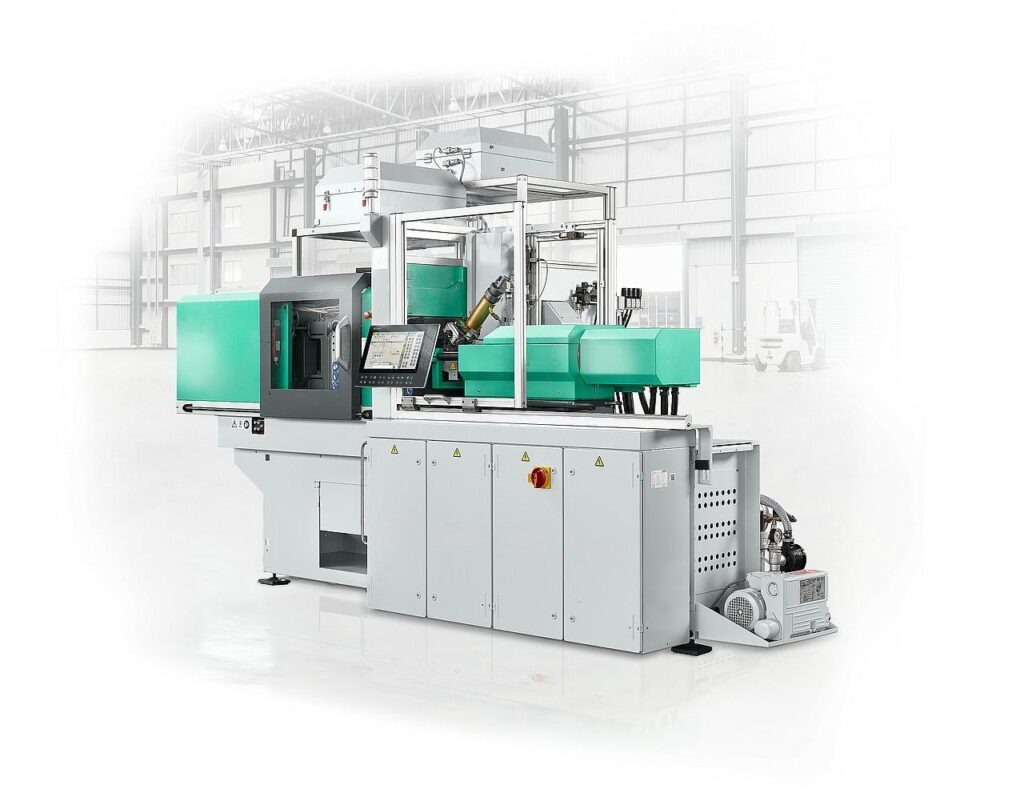
In the context of micro-part manufacturing, micro moulds are specialized tooling systems engineered for micro injection molding. They are designed to replicate micron-level features with extreme accuracy. While there are no strict universal standards, these molds typically produce parts with a mass in the milligram to gram range, featuring geometries and tolerances measured in tens of microns. Unlike conventional molding, micro molding requires a holistic approach that integrates advanced machinery, specialized polymer science, and ultra-precise tooling.
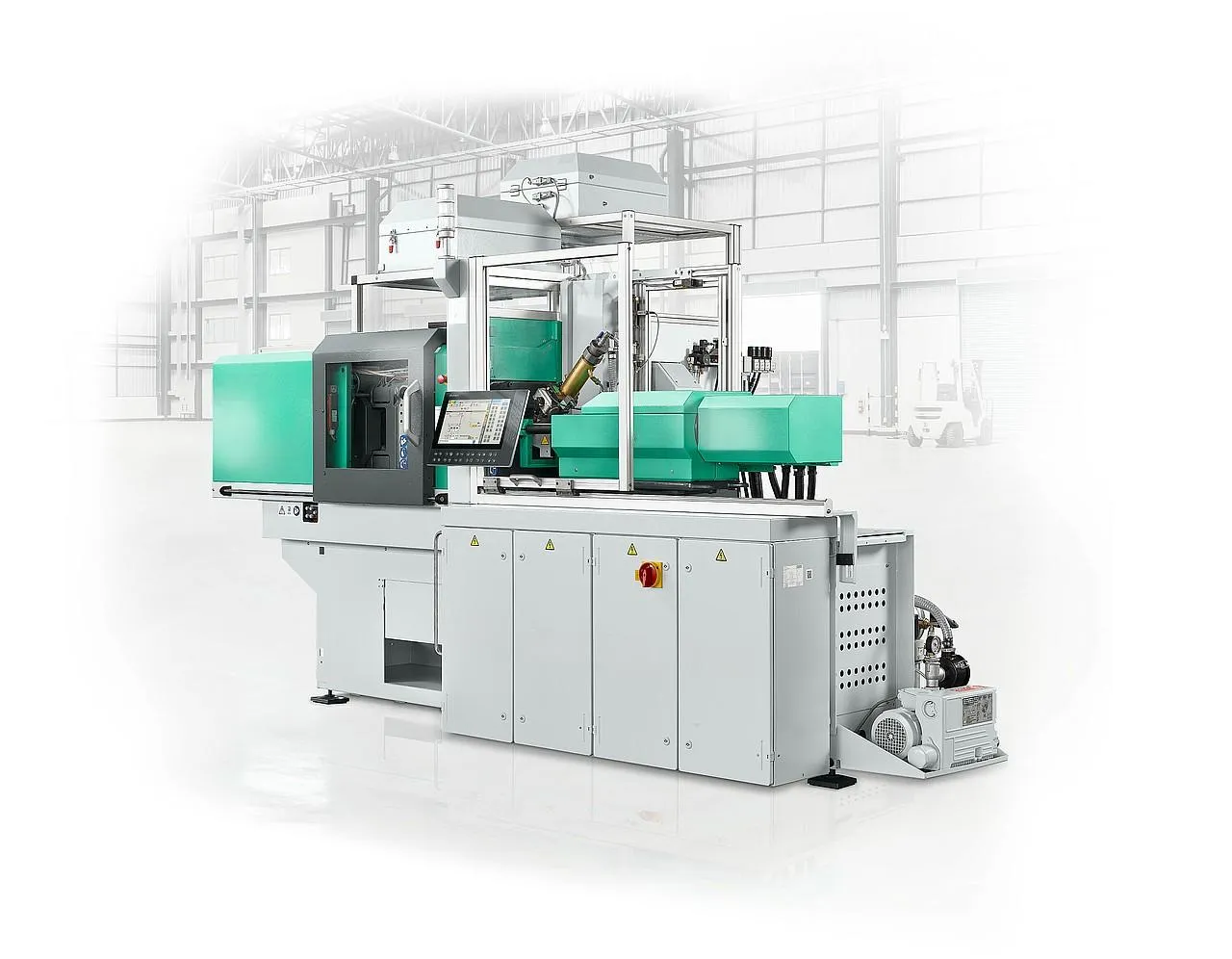
In the context of micro-part manufacturing, micro moulds are specialized tooling systems engineered for micro injection molding. They are designed to replicate micron-level features with extreme accuracy. While there are no strict universal standards, these molds typically produce parts with a mass in the milligram to gram range, featuring geometries and tolerances measured in tens of microns. Unlike conventional molding, micro molding requires a holistic approach that integrates advanced machinery, specialized polymer science, and ultra-precise tooling.

Market Size (with Reality Check)
When researching the micro molding industry, market estimates often vary significantly. This discrepancy arises because different research firms use different scope definitions—some track the sales of micro injection molding machines, others track the molded plastic parts themselves, and some focus exclusively on specific polymer microinjection markets.
| Source | Scope Wording | Base Year | Size | Forecast | CAGR |
| BCC Research | Micro injection molding | 2020 | $904.3M | $1.6B (2025) | 11.8% |
| Global Market Insights | Micro injection molded plastic | 2024 | USD 1.4B | - | >11% (2025-2034) |
| Grand View Research | Polymer microinjection molding | 2025 | USD 1,469.0M | USD 3,183.4M (2033) | 10.4% |
How Micro Moulds Get Made (and Qualified): A Practical Workflow
Creating a micro mould is an end-to-end process that demands rigorous validation at every step. From the initial Design for Manufacturability (DFM) review to the final Production Part Approval Process (PPAP), each phase ensures that the final product meets exact specifications.
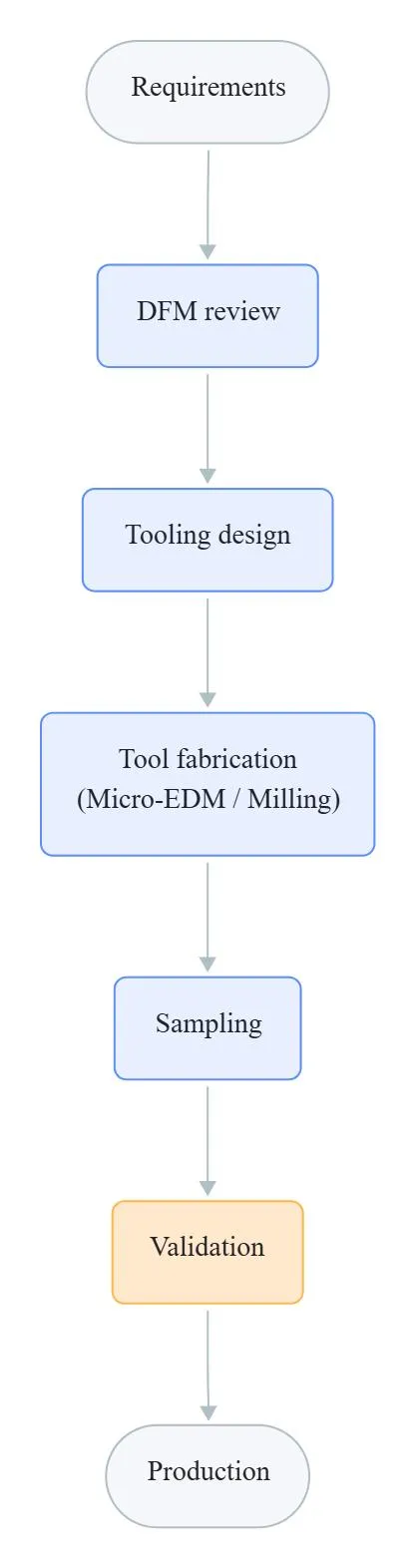
During the tooling fabrication phase, advanced techniques like Micro-EDM (Electrical Discharge Machining) and ultra-precision micro-milling are utilized to achieve the necessary geometries.
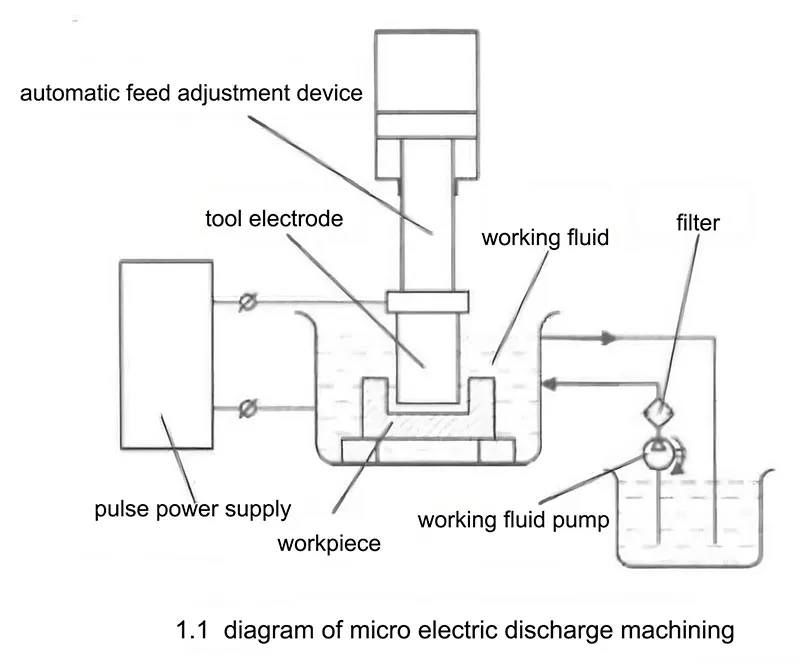
Micro EDM Process for Tooling Fabricatio
| Common Pitfalls | What to Do Instead |
| Poor venting leading to trapped air | Implement vacuum venting in the mold design |
| Excessive flash on micro features | Ensure precision parting line matching at the micron level |
| Inappropriate gate size | Utilize micro-gating or pinpoint gates optimized for flow |
| Part damage during ejection | Use specialized micro ejector pins, stripper plates, or air blow |
| Inaccurate dimensional measurement | Deploy CT metrology/scanning instead of standard optical methods |
| Material degradation | Use micro dryers tailored for small material volumes |
Typical Applications (and What They Require)
Micro moulds are essential for industries where miniaturization is not just a trend but a functional requirement.
| Application | Typical Micro Parts | Key Requirements |
| Medical | Microfluidics, catheter components | Biocompatibility, extreme cleanliness (ISO Class 8+), tight tolerances |
| Electronics | Micro connectors, sensor housings | High-temperature resistance, dimensional stability, thin-wall capabilities |
| Optics | Micro lenses, light guides | Optical clarity, flawless surface finish, nanometer-level precision |
| Automotive Electronics | Micro connectors, sensors | Durability, heat resistance, insert molding capabilities |
| Consumer Components | Micro gears, clips, wearables | High-volume scalability, low cost per part, structural integrity |
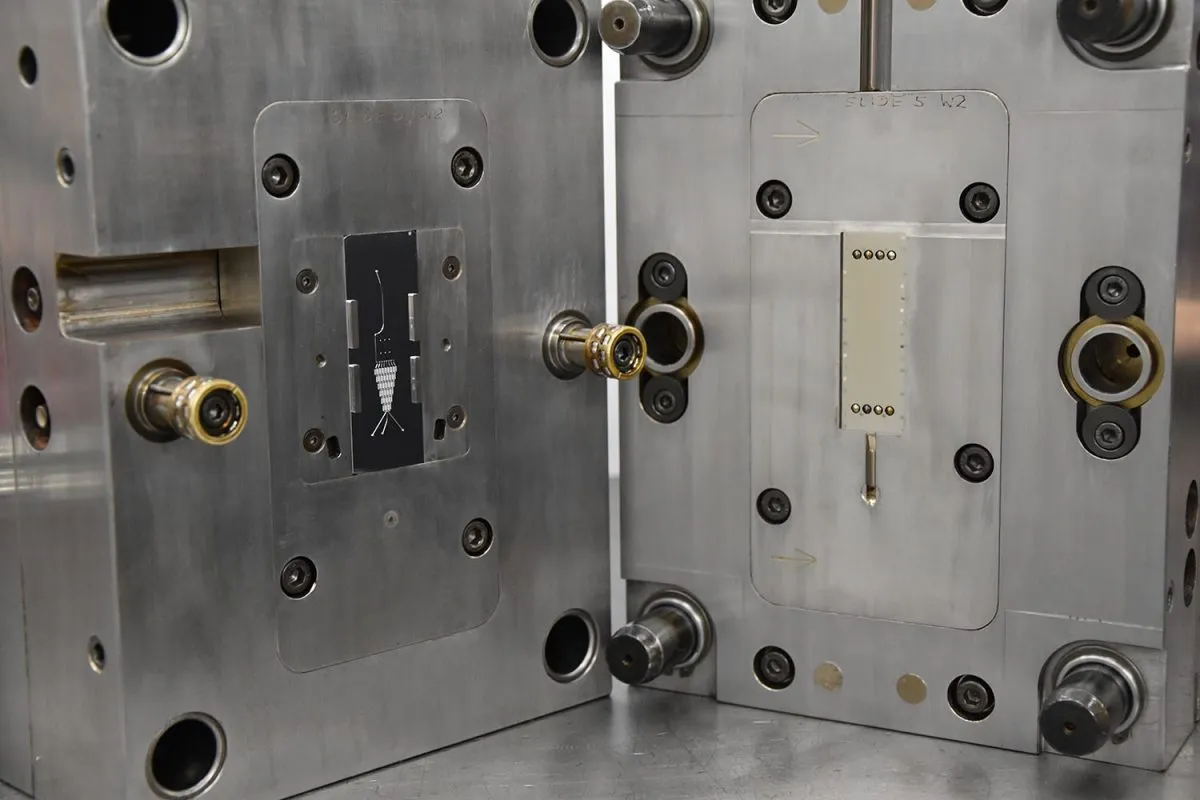
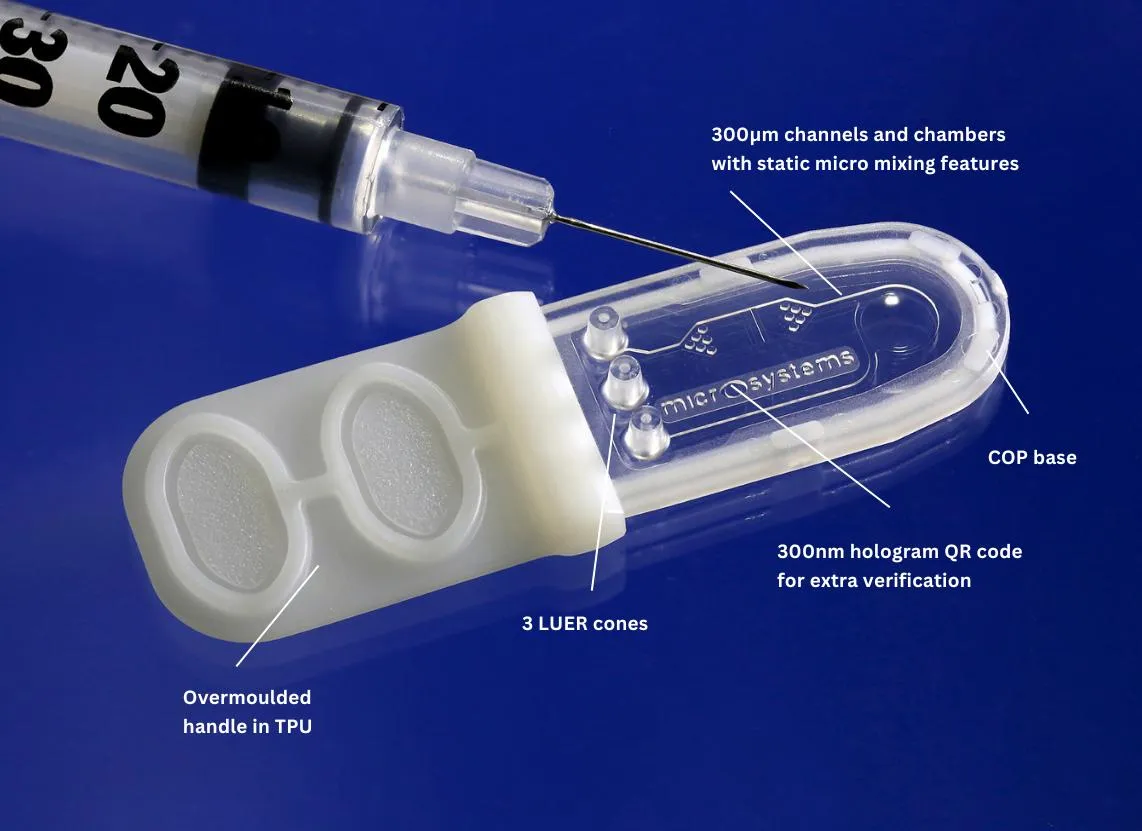
Ultra-Precision Mold Insert for Mass Productio
Comparative Alternatives (When a Micro Mould Is Not the Best Choice)
While micro injection molding is highly efficient for mass production, alternative methods may be more suitable depending on the material, volume, and required precision.
| Method | Best For | Pros | Cons | Typical Volume Fit |
| Micro Injection Molding | Complex 3D plastic parts | Low unit cost at scale, high repeatability | High initial tooling cost, long lead times | High to Very High (100k+) |
| Micro CNC Machining | Metals and rigid plastics | No molding tooling required, high precision | Slow cycle times, high cost per part | Low to Medium (1 - 10k) |
| Micro Stamping | Thin metal components | Extremely fast, low cost per part | Limited to 2D/2.5D shapes, metals only | Very High (1M+) |
| LIGA / Photolithography | MEMS, extreme aspect ratios | Unmatched nanoscale precision | Very expensive, limited materials | Low to High (depending on fab) |
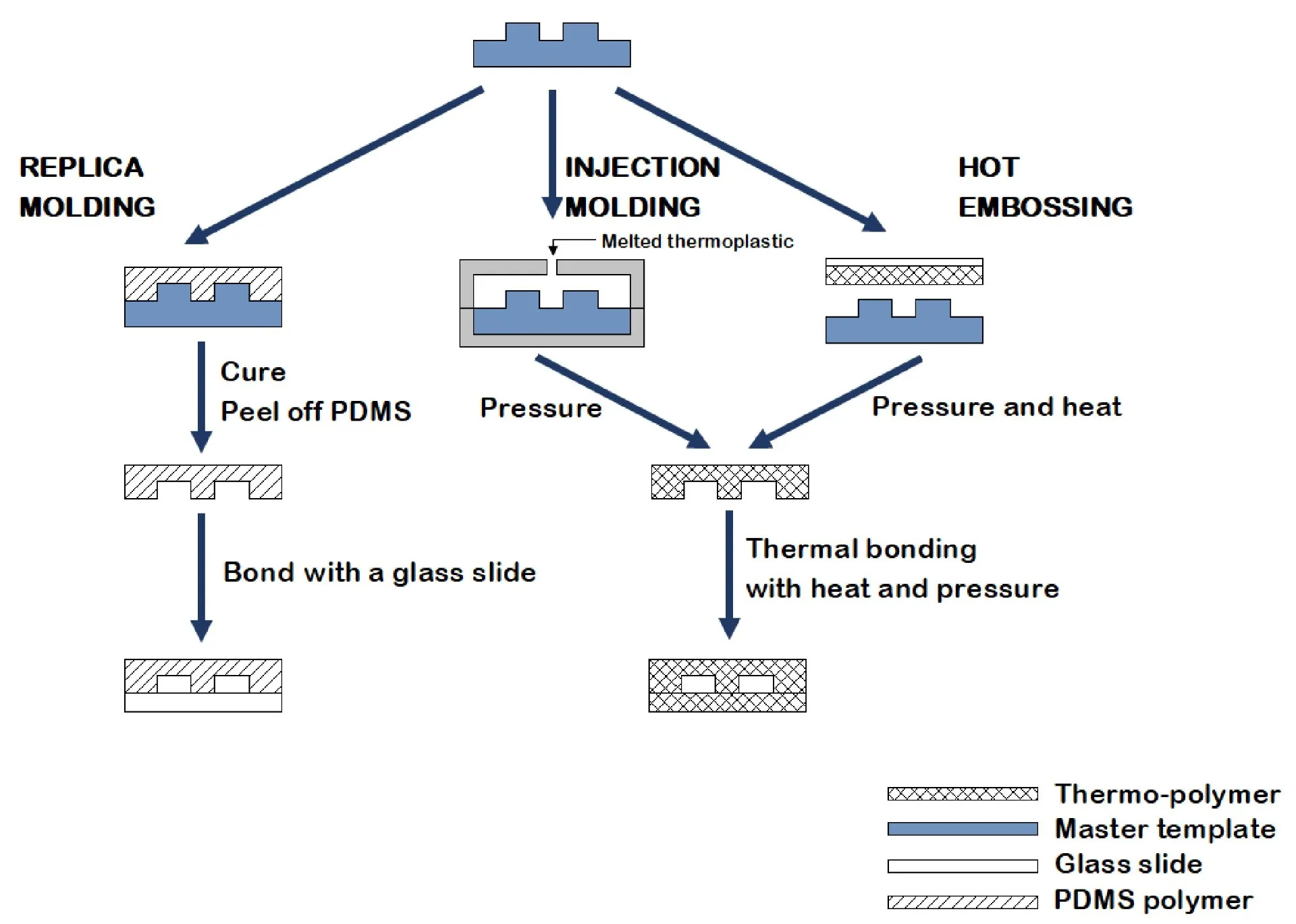
| Hot Embossing / Replica | Microfluidics, planar microstructures | Excellent replication of surface details | Slower cycle time than injection molding | Medium to High |
| Micro 3D Printing (SLA/DLP) | Rapid prototyping, complex geometries | Zero tooling cost, design freedom | Material limitations, slower throughput | Very Low to Low (1 - 1k) |
Typical Users + Competitor Landscape (Quick Map)
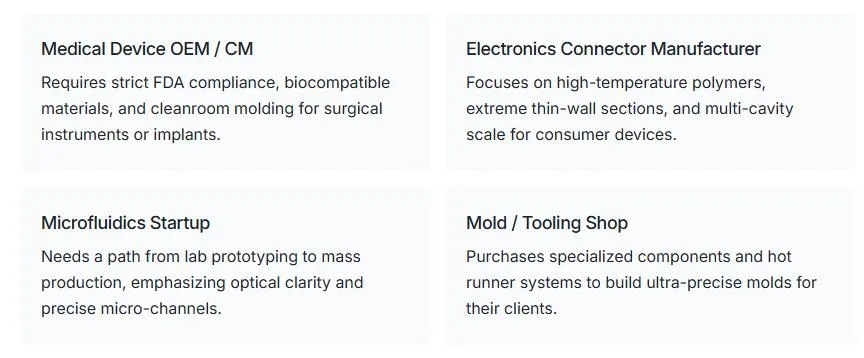
Purchases specialized components and hot runner systems to build ultra-precise molds for their clients.
The competitive landscape includes both pure-play micro molders and key technology enablers.
| Company / Category | What They're Known For | Notes |
| Makuta | Micro injection molding specialists | Zero-defect parts, ±5 micron tolerances, clean-room molding. |
| Accumold | Micro injection molding pioneers | Proprietary Micro-Mold platform, high-volume production since 1985. |
| Precision Micro Toolmakers | Building the physical molds | Utilize advanced Micro-EDM and 5-axis micro milling. |
| Hot Runner Suppliers | Melt delivery systems | Critical for waste reduction in small part molding. |
| Micro Molding Machine Builders | Injection presses | Provide the all-electric, high-precision presses required. |
Key Trends to Watch
Device Miniaturization: Ongoing push for smaller, less invasive medical devices and more compact consumer electronics.
Tighter Tolerances & Metrology: Shift towards inline CT scanning and automated optical inspection for zero-defect quality control.
High-Temperature Polymers: Increased use of engineering plastics like LCP and PEEK for demanding structural and thermal applications.
Multi-Material & Insert Molding: Combining materials (e.g., rigid/soft or plastic/metal) in a single cycle to reduce assembly steps.
Automation & Zero-Defect QC: Implementation of "lights-out" manufacturing with robotic part handling and packaging.
Sustainable / Low-Scrap Molding: Optimizing runner systems to minimize material waste, which is crucial when the runner often outweighs the micro part.
Conformal Cooling & Advanced Hot Runner Control: Utilizing 3D-printed mold inserts for conformal cooling and deploying precise hot runner control modules to maintain melt temperature.
Why Hot Runner Temperature Control Matters
In micro molding, maintaining an exact melt temperature is critical to avoid degradation and ensure complete cavity filling. Utilizing a PLC hot runner controller or a sequential timer controller allows for precise thermal management. High-quality heaters and specific hot runner controller accessories prevent premature freeze-off in micro-gates, ensuring consistent part quality. To explore advanced solutions, check out the latest product catalog, watch video demonstrations, or stay updated with company news.
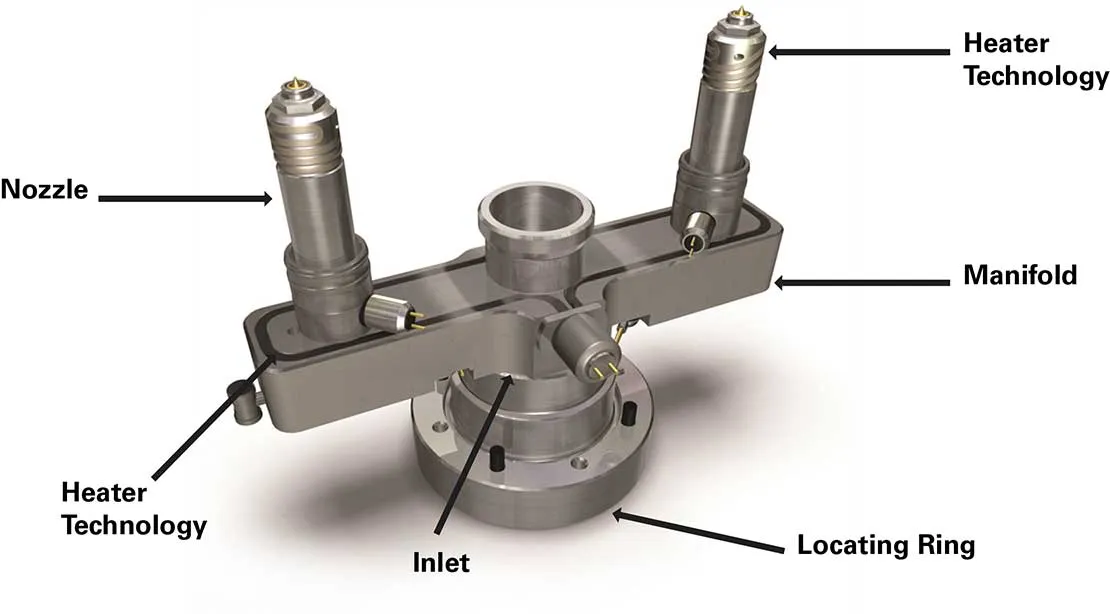
Hot Runner System for Injection Moldin
Frequently Asked Questions (FAQ)
What are the main cost drivers in micro molding?
The primary driver is the initial tooling cost due to the extreme precision required. Part price is driven by material cost, cycle time, and the complexity of automated handling.
What tolerance expectations are realistic?
Tolerances of ±10 to ±50 microns are standard, while advanced molders can achieve ±5 microns on specific features under controlled conditions.
How are micro parts measured?
Standard calipers are ineffective. Measurement relies on high-resolution vision systems, laser scanning, and increasingly, CT metrology to inspect internal features non-destructively.
What are typical lead times for a micro mould?
Tooling fabrication and initial sampling typically take 8 to 14 weeks, depending on the complexity of the mold and the validation requirements.
What materials can be micro molded?
A wide range of thermoplastics, including engineering resins (PEEK, LCP, Ultem), medical-grade silicone molds materials, and standard polymers (PC, POM, ABS).
How is quality validated for parts too small to handle?
Quality is validated through rigorous process control, automated inline optical inspection, and strict environmental controls (cleanrooms) to prevent contamination.
How should I choose a gate and runner strategy?
Work with a DFM engineer early. The choice between cold runners (higher waste) and hot runners (complex control) depends on material properties and production volume.
What information should I include in an RFQ?
Provide detailed 3D CAD models, 2D prints with critical tolerances, material specifications, annual volume estimates, and any specific cleanliness or packaging requirements.