Brass pipe nipplesIntroductionBrass pipe nipples are short sections of brass tubing with male t...
Guideline for hot runner system maintaince
2024-11-28
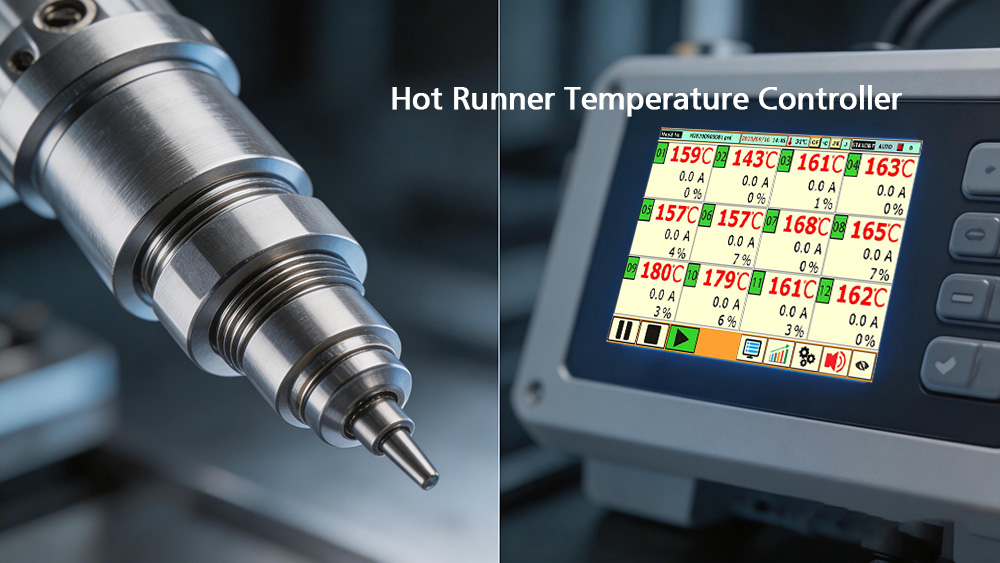
The hot runner system is a crucial component of the injection molding process, essential for maintaining production quality and minimizing downtime. Maintaining a hot runner system properly ensures optimal performance, extended lifespan, and consistent part quality.
Maintaining a hot runner system involves routine checks, cleaning, and timely replacements to keep it running efficiently.

1. Preventive Maintenance Checklist
Daily Maintenance:
Temperature Stability: Monitor each zone for consistent temperature.Identify irregularities in readings that may indicate sensor or heater issues.
Visual Inspection: Check for plastic leaks around nozzles and manifolds. Inspect wires and connections for damage or wear.
Surface Cleaning: Remove plastic residue from nozzles and plates using a non-abrasive tool.
Weekly Maintenance:
Electrical Connections:Tighten any loose connections on heaters and thermocouples. Check insulation resistance to avoid short circuits.
Heater and Sensor Testing: Use a multimeter to measure the resistance of heaters and sensors. Replace any faulty components.
Monthly Maintenance:
Nozzle Inspection: Check nozzle tips for wear or carbon buildup. Clean tips gently without scratching the surface.
Manifold Cleaning: Clean flow channels to prevent blockages from degraded plastic.
Seal Integrity: Inspect for leaks at joints and replace seals if necessary.
Annual Maintenance:
Complete Disassembly: Disassemble the system for a thorough cleaning. Inspect all parts for cracks, wear, or damage.
Component Replacement: Replace worn-out heaters, thermocouples, seals, and valve pins.
System Calibration: Test and recalibrate temperature controllers for accuracy. Ensure balance across all zones.
2. Cleaning Procedures
Manifold and Flow Channels: Heat the system to soften plastic residue before cleaning. Use specialized brushes or cleaning tools to remove residue from channels. Avoid sharp tools to prevent scratches.
Nozzles: Soak nozzle tips in a safe solvent to dissolve residues. Use soft tools to scrape off carbon deposits.
3. Troubleshooting Common Issues
| Issue | Cause | Solution |
| Uneven heating | Faulty heater or thermocouple | Test and replace faulty parts. |
| Plastic leakage | Damaged seals | Replace seals and check torques. |
| Clogged nozzles | Degraded material in channels | Clean and flush the system. |
| Erratic temperature | Loose or damaged connections | Tighten and repair wiring. |
4.Record Keeping
Maintain a maintenance log to track issues, repairs, and replacements.Record all temperature and electrical measurements for reference.
5. Documentation
Keep a maintenance log to track:
Inspections
Replacements
Calibration records
This helps identify recurring issues and schedule future maintenance.
6. Training
Provide proper training for personnel on the maintenance and operation of hot runner heaters. This includes educating operators on identifying signs of wear or damage, following correct cleaning procedures, and testing heaters to ensure they function properly. A well-trained team can quickly identify potential issues and address them before they lead to costly downtime.
7. Tips for Longevity
Avoid Overheating: Gradually eat and cool the system to prevent thermal stress. Set temperature limits to avoid material degradation.
Use Recommended Materials: Run plastics compatible with the hot runner system to reduce buildup and contamination.
Regular Lubrication (for valve-gated systems): Lubricate moving parts like valve pins to prevent sticking.
Protect from Contaminants: Keep the system covered when not in use to avoid dust and debris entering components.
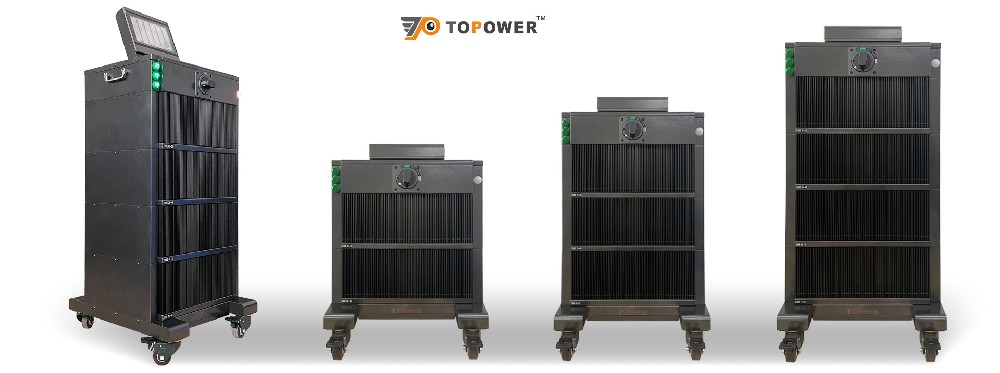
Proper maintenance of the hot runner system offers key benefits: Ensures consistent product performance by maintaining precise temperature control.Prevents unexpected failures, minimizing production interruptions. Regular care reduces wear and tear, prolonging the system's operational life. Avoids costly repairs and replacements by addressing issues early. Maintains optimal performance, reducing energy and material waste.Ensures safe system operation by preventing malfunctions.