
Soft Machining vs Hard Machining: What's the Difference?
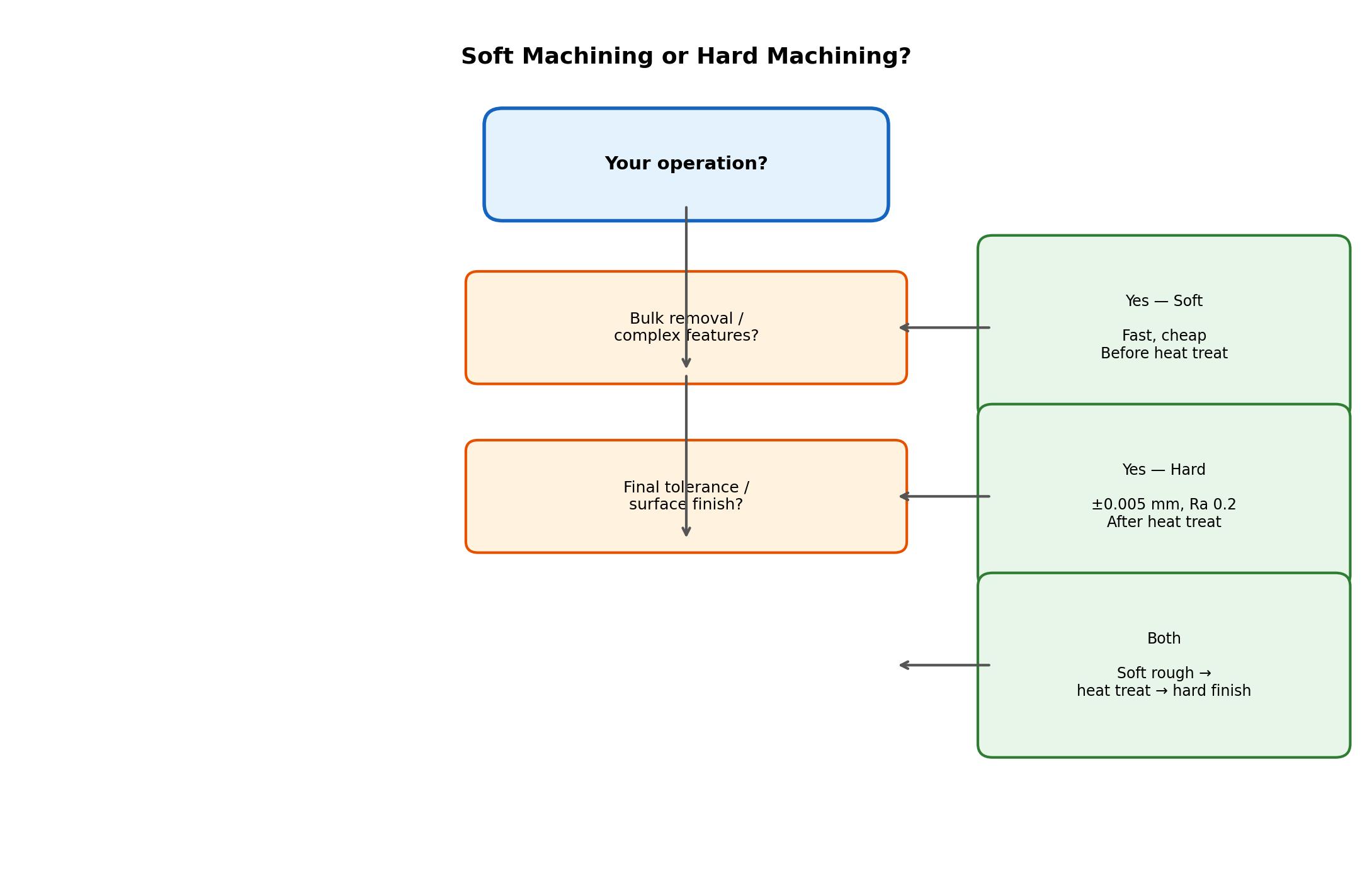
Soft machining is the first cutting operation on a workpiece, performed while the metal is still in its soft, annealed state — before heat treatment hardens it. Hard machining comes after heat treatment, finishing the part to final dimensions. Every machined steel part that needs strength goes through both, in that order.
The difference matters because each stage has different tooling, speeds, and tolerances. Soft machining is fast, cheap, and removes the bulk of the material. Hard machining is slower and more expensive, but it delivers the final surface finish and dimensional accuracy that heat treatment would otherwise destroy.
This guide compares soft machining and hard machining across every practical dimension — when to use each, what the process looks like, how they fit into a heat treatment workflow, and the cost trade-offs.
What Is Soft Machining?
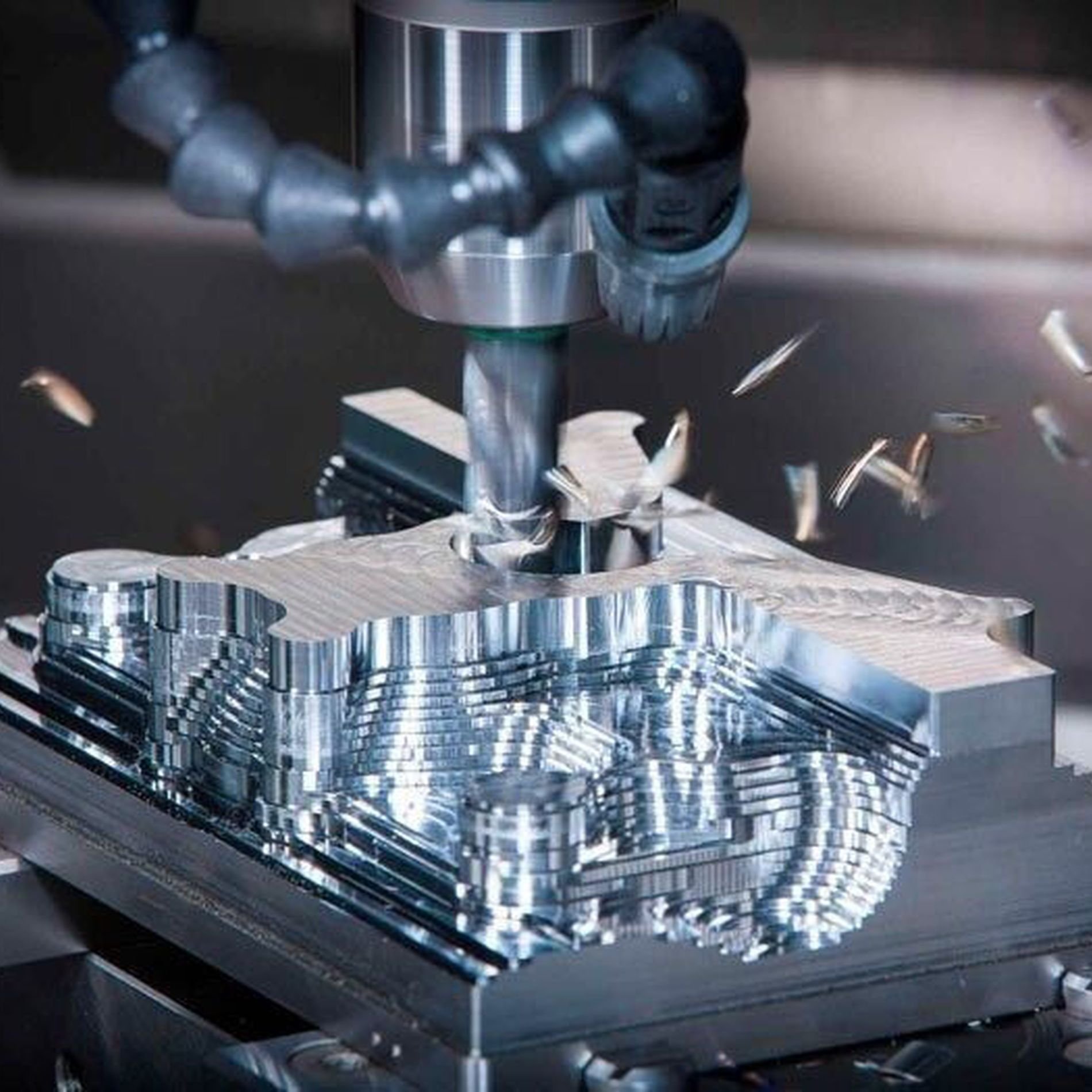
Soft machining is the roughing and semi-finishing of a workpiece in its soft state — typically below HRC 45 hardness, usually in the HRC 15-35 range for common steels. The material cuts easily, tools last long, and metal removal rates are high.
In a typical heat-treated part workflow, the rough stage produces the near-net shape: outside profiles, pockets, holes, and features, all left with enough stock for the final hard machining pass. The soft-machined part then goes to heat treatment, which hardens it to the specified hardness, and finally returns for hard finishing.
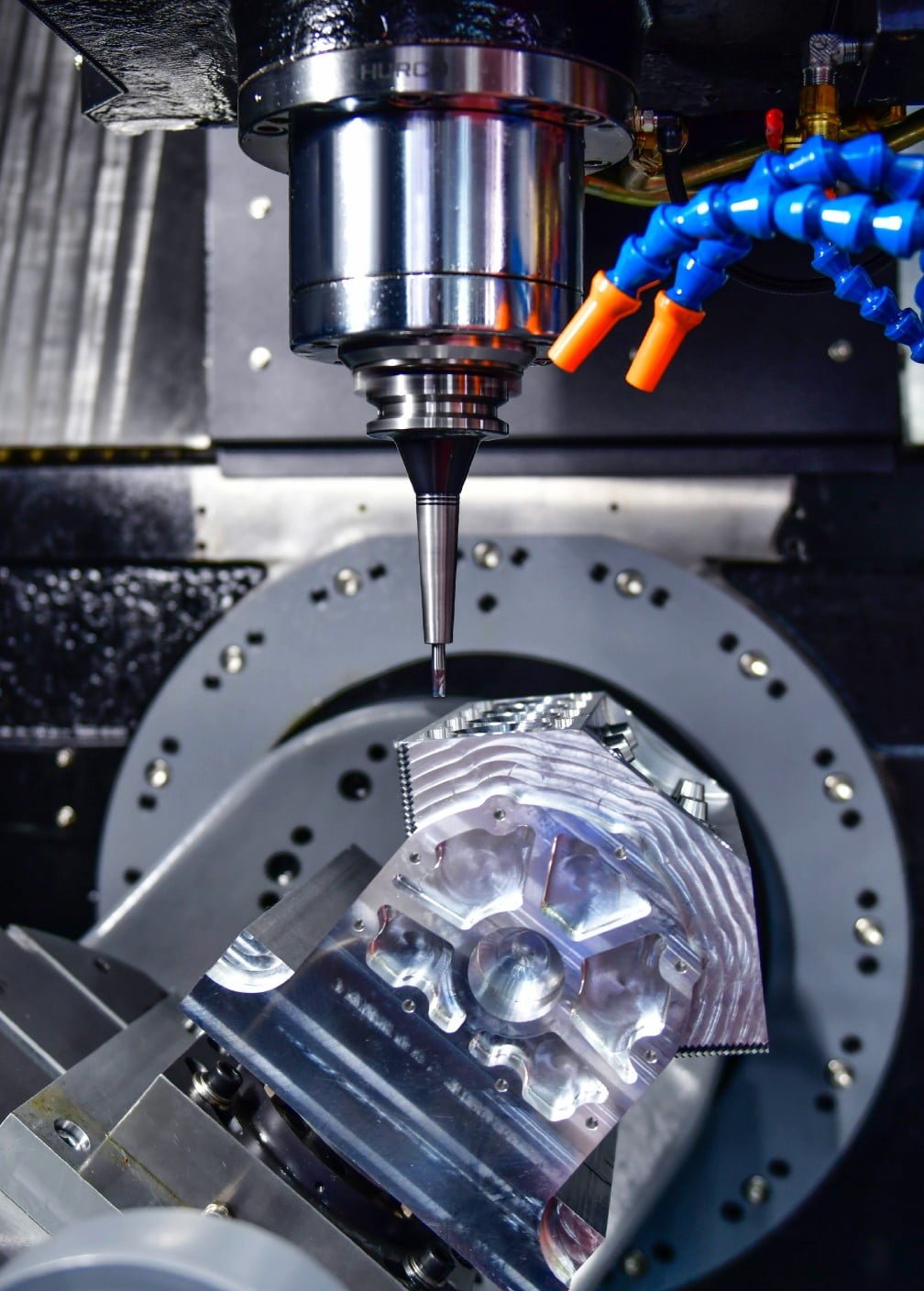
Why machine soft at all? Three reasons. The same logic of cutting-friendly states appears across manufacturing — for example, hot runner systems keep plastic molten precisely because the material is only workable in one state. First, cutting soft steel is dramatically faster and cheaper than cutting hardened steel. Second, some features are impossible to cut after hardening — internal threads, undercuts, and complex cavities need the softer state. Third, heat treatment distorts parts, so the final critical dimensions must be machined afterward anyway. The rough pass removes the bulk; the finishing pass corrects what heat treatment moved.
The economics are lopsided in favor of doing as much work as possible while the metal is soft. A carbide insert cutting annealed 4140 at 200 m/min removes metal for pennies per minute of machine time. The same operation on hardened steel runs at a fraction of the speed, wears expensive CBN, and consumes far more machine hours. Shops that over-specify hard-stage work pay for it on every part.
There is also a quality angle. Features machined in the soft state are cut from stress-free, uniform material, so their geometry is clean and predictable. Heat treatment can move them, but the movement is understood and compensated for. Machining everything hard would mean cutting through a hardened, stressed surface layer — worse surface integrity and more tool wear for no benefit.
First, cutting soft steel is dramatically faster and cheaper than cutting hardened steel. Second, some features are impossible to cut after hardening — internal threads, undercuts, and complex cavities need the softer state. Third, heat treatment distorts parts, so the final critical dimensions must be machined afterward anyway. Soft machining removes the bulk; hard machining corrects what heat treatment moved.
What Is Hard Machining?
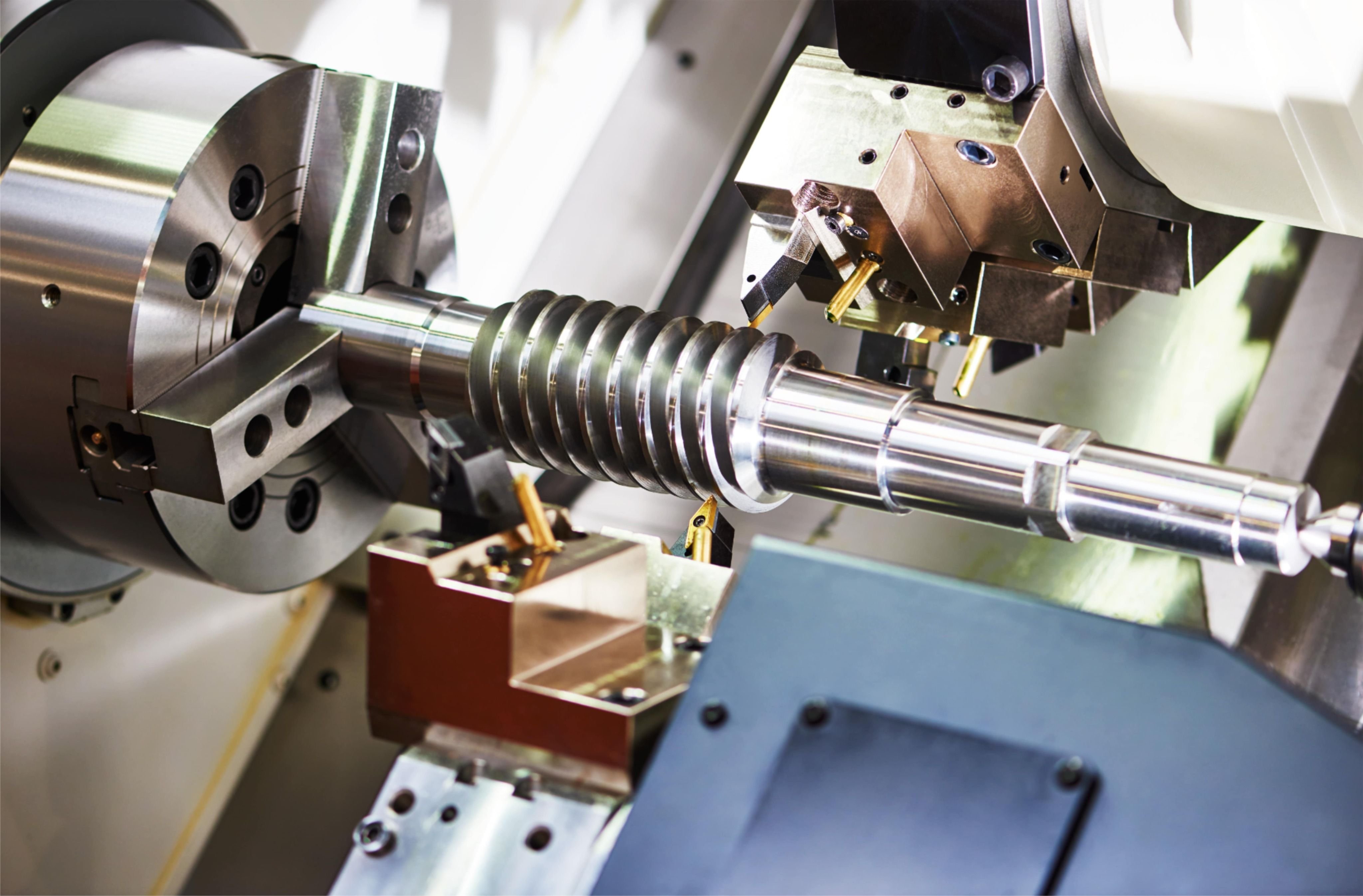
Hard machining cuts workpieces in the hardened state — typically HRC 45-68. It is the finishing operation that brings a heat-treated part to final tolerance and surface finish, using harder cutting tools and lower speeds.
Modern hard machining uses CBN (cubic boron nitride) inserts and ceramic tooling that survive the high hardness. The same tooling logic applies when cutting difficult materials — see our CNC titanium fabrication guide for how hardness changes tooling strategy. The process achieves tolerances of ±0.005 mm and surface finishes down to Ra 0.2, matching what grinding can deliver — which is why many shops replaced finish grinding with hard turning and hard milling.
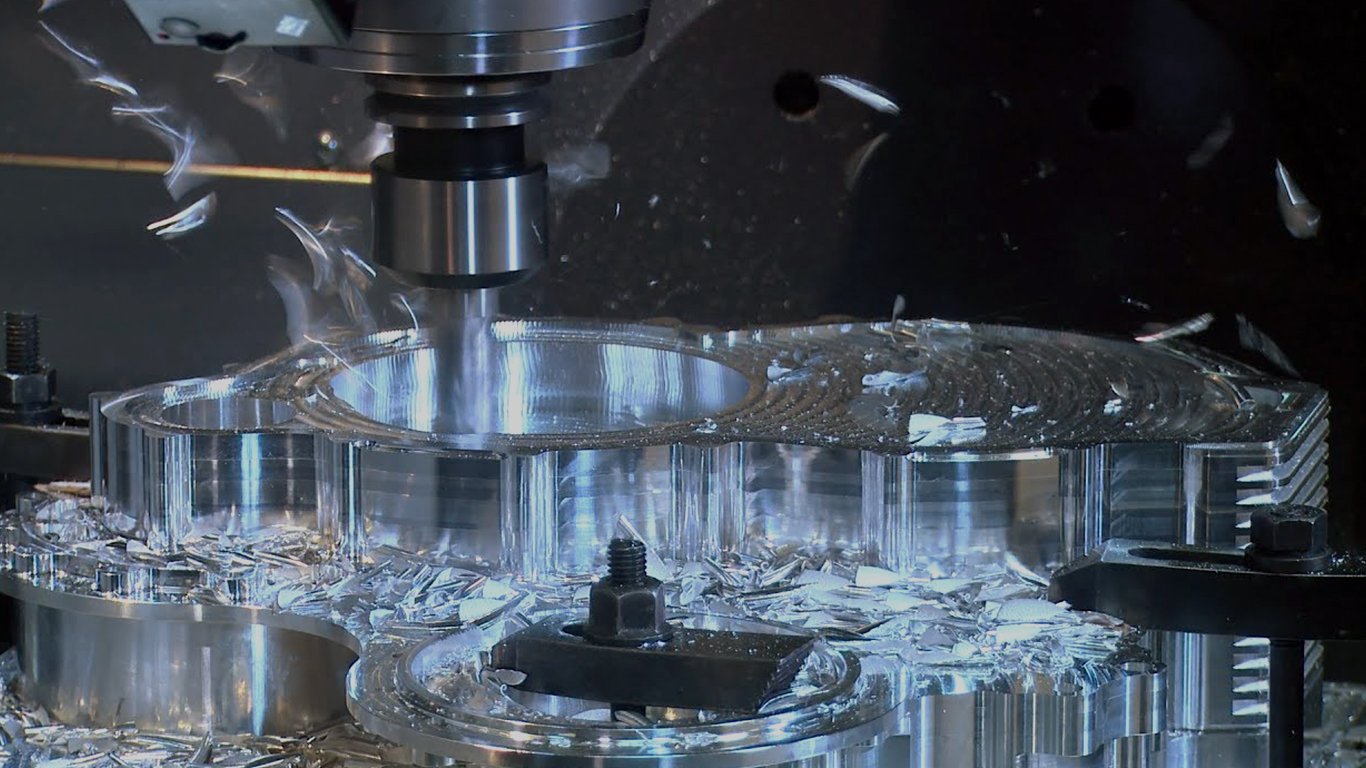
Hard machining has one major advantage beyond accuracy: it eliminates the distortion problem. Because heat treatment happens before the final cut, the finished surface is cut true to the part's final state, not to a state that will change. This makes hard machining the standard for gears, bearings, shafts, and dies.
Soft Machining vs Hard Machining: Key Differences
| Factor | Soft Machining | Hard Machining |
|---|---|---|
| Workpiece hardness | HRC 15-35 (annealed) | HRC 45-68 (hardened) |
| Typical cutting tools | Carbide inserts, HSS | CBN, ceramic |
| Cutting speed | High (100-300 m/min) | Low-medium (30-200 m/min) |
| Metal removal rate | High — roughing friendly | Low — finishing focused |
| Achievable tolerance | ±0.02-0.05 mm | ±0.005-0.01 mm |
| Surface finish | Ra 1.6-3.2 | Ra 0.2-0.8 |
| Tool life | Long | Short (cost per part higher) |
| Stage in workflow | Before heat treatment | After heat treatment |
| Best for | Bulk removal, complex features | Final dimensions, precision fits |
How Soft Machining Fits the Heat Treatment Workflow
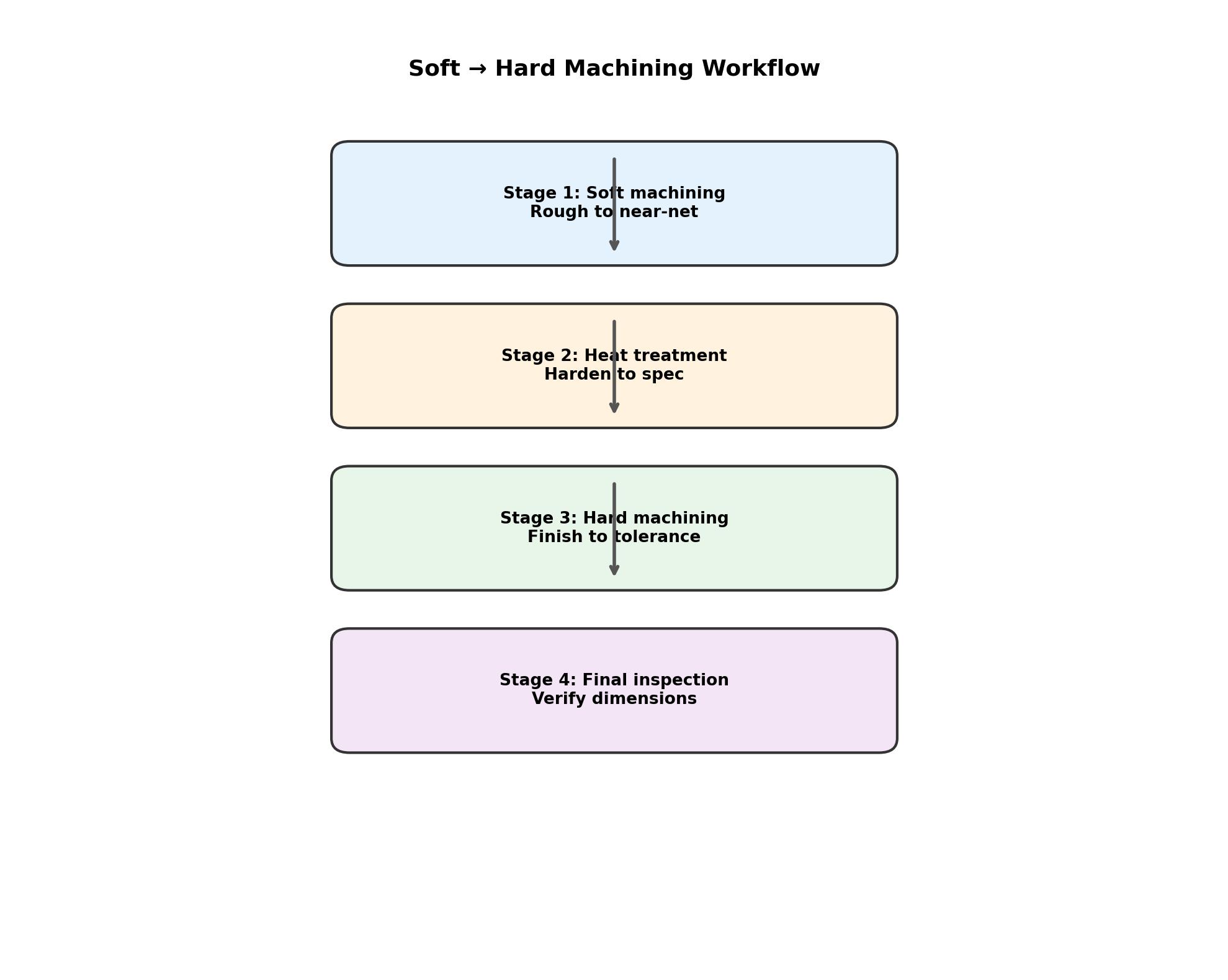
Understanding the full workflow clarifies why the pre-hardening stage exists and why the finishing stage follows. The sequence is: soft machining → heat treatment → hard machining → final inspection.
Stage 1 — Soft machining. The blank is rough-machined to near-net shape with stock allowance. For a typical shaft, that means turning the outside diameter to within 0.5-1 mm of finish size, machining keyways and threads, and drilling holes. All features that cannot be cut after hardening must be completed here.
Stage 2 — Heat treatment. The soft-machined part is hardened to specification — quenching and tempering, case hardening, or through-hardening depending on the material. This stage changes dimensions slightly as the steel's microstructure transforms. Expect distortion of 0.02-0.1 mm or more on longer parts.
Stage 3 — Hard machining. The hardened part returns to the machine for finishing. Controlling temperature through these stages is central to mould temperature control, where consistent thermal behavior drives part quality. Critical diameters, bores, and faces are cut to final tolerance, correcting the distortion from heat treatment. This is where the part's accuracy is actually established.
Stage 4 — Inspection. Final dimensions are verified against the print. Because hard machining achieved the tolerances in the hardened state, the measurements are stable and representative.
When to Choose Soft Machining First
The roughing stage is not optional in most workflows — it is the necessary first pass. But the amount of work done in the soft state versus the hard state is a real design decision. The general rule: do everything in soft machining that the material hardness allows.
Threads and undercuts belong in soft machining. Tapping hardened steel is impractical; threads are cut soft, protected during heat treatment, and chased lightly afterward if needed. Undercuts and internal features that no tool can reach after hardening are designed into the soft stage.
Bulk material removal belongs in soft machining. Removing 90% of the material while the steel is soft is dramatically cheaper than doing it hard. Roughing cuts in soft steel run at high speeds with long tool life; the same cut in hardened steel wears CBN inserts fast.
Stress relief belongs in the workflow. For parts with heavy stock removal, a stress-relief heat treatment between rough soft machining and finish soft machining reduces distortion later. This intermediate step is common for large dies and molds.
When Hard Machining Replaces Grinding
The rise of hard machining changed finishing practice in machine shops of every size, from job shops to tier-one suppliers. Before CBN tooling matured, hardened parts were finished by grinding. Today, hard turning and hard milling routinely replace finish grinding for many components — with real advantages.
Hard turning is faster than grinding on the same machine setup, uses the same lathe as the rough operations, and achieves comparable tolerances and surface finish for most applications. It also eliminates the separate grinding setup, its fixture changes, and its handling time — a real saving on parts that previously traveled between machines. It also handles interrupted cuts and complex profiles that grinding struggles with. Shops with hard turning capability skip separate grinding machines and their setup time.
Hard machining is not always the answer. For very tight roundness, sub-0.2 Ra finishes, and certain exotic alloys, grinding remains the better tool — and the comparison should include setup, cycle time, and scrap risk, not just machine rate. Process selection guidance is available from SME machining resources. Grinding still wins for very tight roundness, ultra-fine finishes below Ra 0.2, and certain exotic materials. But for the common range — gears, shafts, bearing races, die components — hard machining is the economic choice.
Material Considerations in Soft Machining
Different steels machine differently in the soft state, and that drives both tooling choices and stock allowances.
Low-carbon and free-machining steels (like 12L14, 1215) are the easiest to soft machine — high speeds, long tool life, excellent surface finish. They are used when final hardness is not critical.
Medium-carbon steels (1045, 4140) machine well in the annealed state and are commonly through-hardened after soft machining. Their distortion during heat treatment is predictable, so stock allowance can be modest.
Tool steels (D2, H13, S7) are often supplied annealed at HRC 15-20 for soft machining, then hardened to HRC 55-60. The soft state is where the complex cavities of dies and molds are cut — this is the heart of soft machining in the tooling industry.
Stainless steels (304, 316) are softer but gummy; they work-harden during cutting, so the rough pass needs sharp tools and consistent feed. Stainless also expands more under heat than carbon steel, so coolant flow matters for both tool life and dimensional stability of the semi-finished part.
For any of these materials, the annealed hardness stated on the material certificate tells you what tooling to start with. If the certificate says HRC 18, standard carbide works; if a heat-treated bar comes in at HRC 45, switch the plan to a finishing-first approach or re-anneal. Verifying the incoming hardness before the first cut prevents surprises that surface only at final inspection.
Hardening stainless usually means precipitation hardening (17-4 PH) rather than quench-tempering.
Soft Machining Parameters by Material
Reference cutting parameters for common soft-machined materials. Values are starting points for carbide tooling and adjust for machine rigidity and tool geometry.
| Material | Hardness (soft state) | Cutting Speed | Feed (finish) | Notes |
|---|---|---|---|---|
| 12L14 / 1215 | HRC 10-15 | 150-300 m/min | 0.08-0.15 mm/rev | Excellent chip control |
| 1045 / 4140 (annealed) | HRC 15-22 | 120-250 m/min | 0.1-0.2 mm/rev | Predictable distortion |
| D2 / H13 (annealed) | HRC 15-20 | 80-150 m/min | 0.08-0.15 mm/rev | Keep tools sharp |
| 17-4 PH (condition A) | HRC 25-32 | 90-180 m/min | 0.08-0.2 mm/rev | Precipitation-hardened later |
| 304 / 316 (annealed) | HRC 15-20 | 60-120 m/min | 0.08-0.15 mm/rev | Work-hardens, avoid dwell |
Soft Machining Best Practices
These practices keep the roughing stage fast and accurate, and they set up the finishing stage for success.
Leave correct stock for hard machining. Too little stock and the hard finishing cut may not clean up heat treatment distortion. Too much and hard machining becomes slow and expensive. Common allowances: 0.3-0.5 mm per side on critical diameters, 0.5-1 mm on large faces.
Machine in a stable setup. The soft stage sees the heaviest cutting forces. Rigid fixturing and balanced cutting prevent deflection that shows up as out-of-tolerance features later.
Keep datums intact. The features used to locate the part during hard machining — usually soft-machined reference faces or centers — must survive heat treatment. Protect them and include them in the soft machining program.
Document the soft state dimensions. Record the as-machined soft dimensions and the stock allowance for each critical feature. When the part returns from heat treatment, the hard machining program references these values to decide how much to remove.
Common Soft Machining Mistakes
These errors show up repeatedly in shops running the pre-hardening stage. Avoid them and the whole workflow stays on schedule.
Leaving too little stock. Heat treatment distortion is real — 0.02-0.1 mm or more on longer parts. If the allowance left for the finishing pass is too small, the hard stage cannot clean up the distorted surface. Always measure distortion on first articles and adjust the allowance.
Cutting threads too late. Threads cut after hardening are impractical and often damaged during heat treatment. All threaded features should be completed in the soft stage, with the understanding that they may need a light chasing pass later.
Ignoring datum protection. The locating features used to set up the finishing operation must survive heat treatment unchanged. Soft-stage datums that get damaged, scaled, or distorted force risky re-fixturing decisions later.
Running the rough stage too aggressively. Deep cuts at maximum speed look productive but can induce residual stress that shows up as distortion after heat treatment. A moderate roughing pass followed by a light semi-finish pass produces more stable parts than one brutal cut.
Frequently Asked Questions
What is soft machining?
Soft machining is the roughing and semi-finishing of a workpiece while it is in its soft, annealed state — typically below HRC 45. It removes the bulk of the material before heat treatment and produces features that cannot be cut after hardening.
What is the difference between soft and hard machining?
Soft machining cuts annealed steel (HRC 15-35) at high speeds with carbide tooling, before heat treatment. Hard machining cuts hardened steel (HRC 45-68) with CBN or ceramic tooling after heat treatment, achieving final tolerances. Soft machining removes bulk; hard machining finishes.
Why machine a part before heat treatment?
Because cutting soft steel is faster and cheaper, some features (threads, undercuts) can only be cut while soft, and heat treatment would distort any finish-machined surfaces anyway. Soft machining pre-shapes the part; hard machining after heat treatment corrects distortion and sets final dimensions.
The split between the rough stage and the finishing stage is not just about hardness — it is about economics. Every minute spent cutting hardened steel costs more in tooling and machine time than the same minute on annealed stock. Designers who understand this split plan the workflow so the expensive hard pass only touches what the print demands.
What hardness is considered hard machining?
Hard machining typically starts around HRC 45 and runs up to HRC 68. Between HRC 35-45 is a gray zone where the steel is hard enough to wear standard carbide but not hard enough for CBN to be efficient. Most production hard machining happens above HRC 50.
Can hard machining replace grinding?
For many components, yes. Hard turning and hard milling achieve ±0.005 mm tolerances and Ra 0.2 finishes, matching finish grinding for gears, shafts, and dies. Grinding still wins for roundness-critical parts and finishes below Ra 0.2.
How much stock should soft machining leave for hard machining?
Typically 0.3-0.5 mm per side on critical diameters and 0.5-1 mm on faces. The allowance must exceed expected heat treatment distortion but stay small enough that hard machining removes material efficiently.
Conclusion
The two stages are halves of one workflow: the rough pass shapes the part while the metal is easy to cut, heat treatment gives it strength, and hard machining finishes it true after heat treatment distortion. Choosing the right balance between the two stages directly controls cost, accuracy, and lead time.
The same discipline of stable, well-controlled machining applies at every scale. Precision milling operations depend on consistent fixturing, and controlled temperatures keep both part and machine stable through the rough and finishing passes. For material guidance, our DS-4 stainless steel guide covers the machining behavior of a precipitation-hardening alloy.