
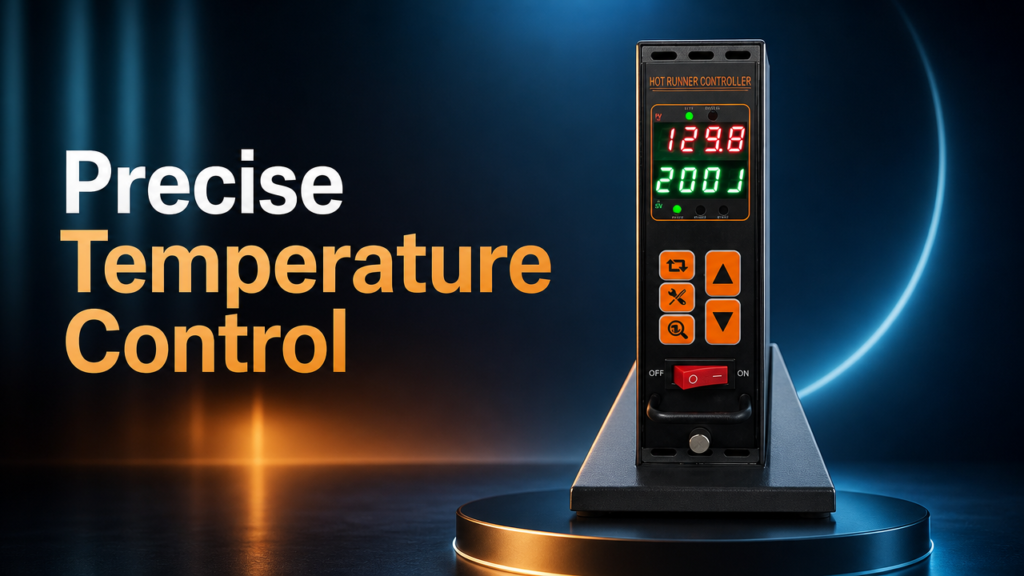
Table of Contents
- Why Choosing the Right Temperature Controllers Matters
- What Is a Temperature Controller?
- 7 Factors to Consider When Choosing Temperature Controllers
- Temperature Controller Types at a Glance
- Temperature Controllers in Action: Key Applications
- Temperature Controller Buying Checklist
- Frequently Asked Questions
Why Choosing the Right Temperature Controllers Matters
Temperature controllers decide whether your process runs stable or wastes material. A few degrees of drift can mean rejected parts, burnt product, or a ruined batch. This is why industrial temperature controllers earn their keep: they remove the guesswork from process heat. The right controller holds temperature where you set it — and the wrong one costs you in scrap and downtime.
Temperature controllers are everywhere: injection molding lines, hot runner systems, ovens, incubators, food storage, laboratory equipment. Each application places different demands on accuracy, response speed, and reliability. That is why there is no single "best" controller — only the right one for your job.
This guide breaks down the selection process into seven factors you can evaluate before spending money. By the end, you will know exactly what to look for in temperature controllers for your application — and what questions to ask suppliers before you buy.
The market for temperature controllers is crowded, and the range of temperature controllers on offer spans everything from simple relay units to networked multi-zone systems. You will find everything from a $15 hobbyist module to a $5,000 multi-zone industrial system. Price differences reflect real capability differences: control precision, sensor support, communication, reliability, and support. The mistake is paying for capability you do not need — or skipping capability you do. Working through the seven factors prevents both.
What Is a Temperature Controller?
Temperature controllers are electronic devices that maintain a target temperature by switching or adjusting power to a heating or cooling element. The unit reads temperature from a sensor, compares it with the setpoint, and acts to close the gap.
Every controller in the temperature controllers family shares the same basic parts: a sensor (thermocouple, RTD, or thermistor), a control algorithm, an output stage (relay, SSR, or analog), and a display for reading current and set values. What changes between models is how well these parts work together and what features they offer.
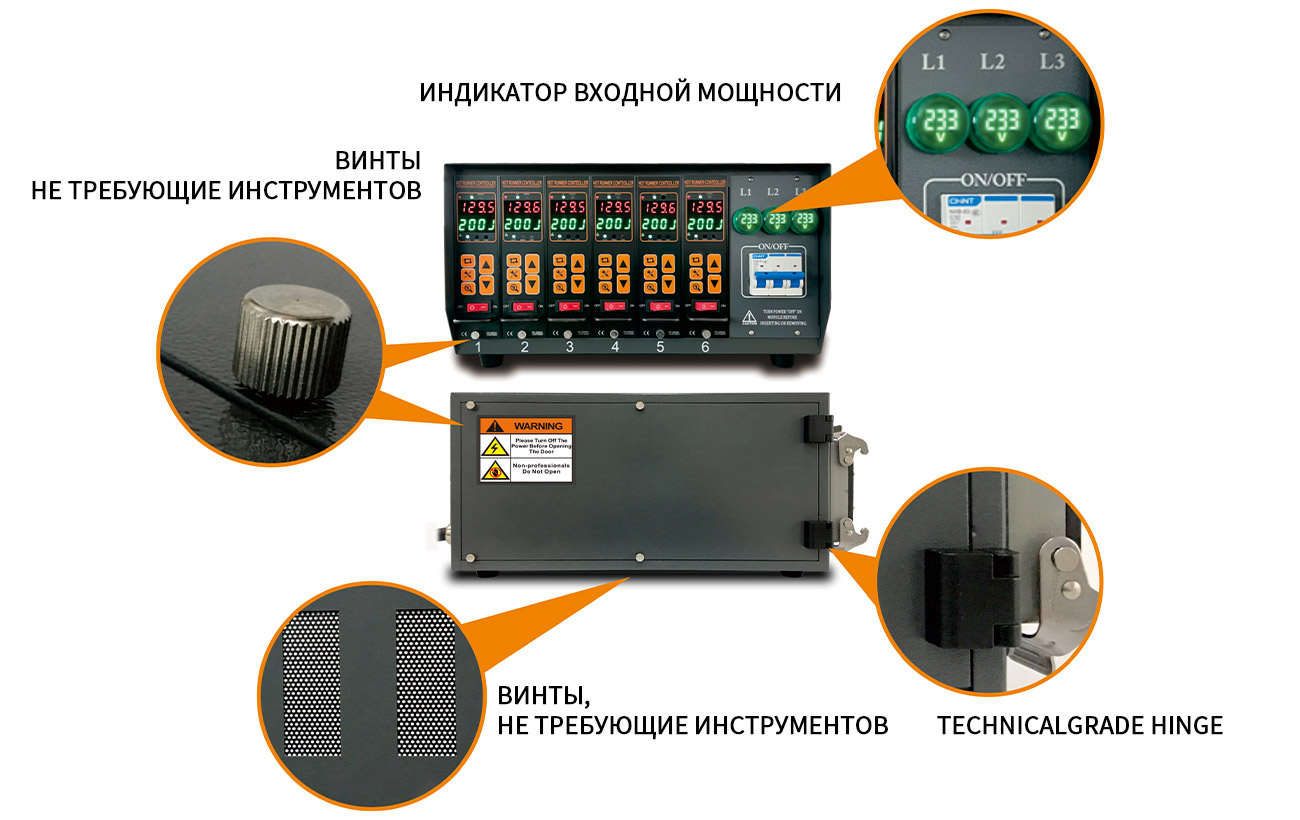
The most basic units simply switch a heater on and off around the setpoint. More advanced temperature controllers use PID (proportional-integral-derivative) algorithms to adjust output continuously, holding temperature far tighter. For processes that cannot tolerate overshoot — like plastic injection molding or semiconductor processing — PID control is essential. Most temperature controllers sold for industrial use today are PID type for exactly this reason.
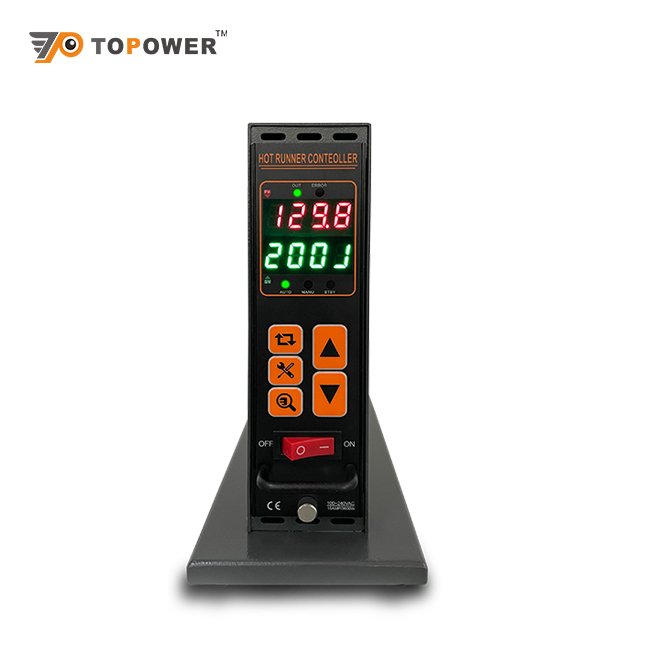
7 Factors to Consider When Choosing Temperature Controllers
1. Temperature Range and Accuracy
Start with the numbers. What temperature does your process actually reach, and how precisely do you need to hold it?
Match the controller's range to your process with margin on both ends. A freezer application might need -50°C to 100°C; a heat treatment furnace needs up to 1300°C. Accuracy varies widely: basic on/off controllers hold ±1-2°C, PID controllers with good sensors reach ±0.1°C.
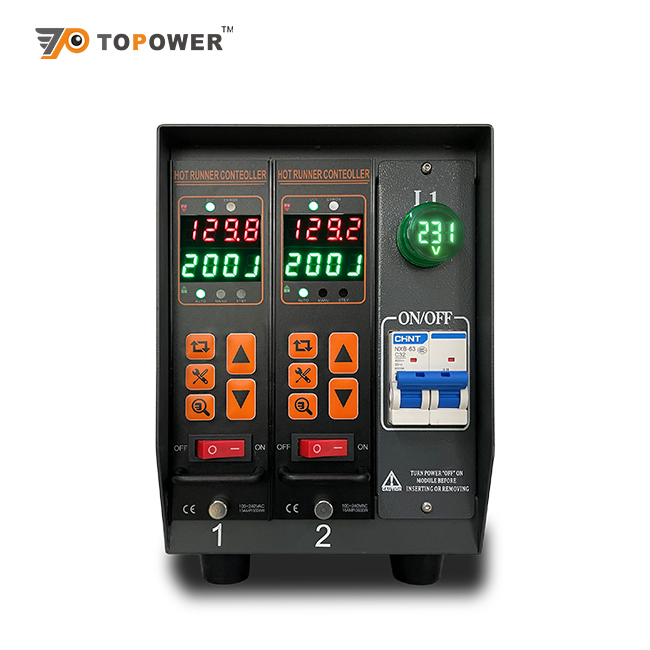
Accuracy claims only mean something with the right sensor. A controller rated ±0.1°C paired with a cheap thermocouple will not deliver that precision. Consider the sensor and controller as one system.
2. Sensor Compatibility
Your controller must accept the sensor type you plan to use. The three common options behave differently:
Thermocouples (Type J, K, T) cover wide ranges and cost little, but their accuracy is moderate. They dominate industrial applications from 100°C to 1300°C.
RTDs (PT100) are more stable and accurate across -200°C to 850°C. They cost more but deliver the repeatability that precision processes need.
Thermistors are cheap and very sensitive in narrow ranges (typically -40°C to 150°C). They suit DIY, refrigeration, and consumer applications.
Check the controller's input specification before buying. Many industrial controllers accept multiple sensor types via jumper or software configuration; dedicated consumer units usually accept only one.
3. Control Method: On/Off vs PID
The control algorithm determines how well your process holds temperature.
On/off (bang-bang) control switches the output fully on when below setpoint and fully off when above. Simple, reliable, and cheap — but it cycles around the setpoint, producing ripple. Fine for refrigerators, simple ovens, and applications where ±2°C is acceptable.
Proportional control reduces output as temperature approaches setpoint, cutting the oscillation. It leaves a small steady-state offset that many processes can tolerate.
PID control adds integral and derivative terms to eliminate offset and dampen overshoot. Modern PID temperature controllers include auto-tune: press a button, the unit learns your system's thermal behavior, and sets its own parameters. This is the standard for injection molding, hot runners, and any precision process.
4. Output Type
How the controller switches power affects longevity and performance.
Relay outputs switch high-voltage loads directly. They are simple and cheap, but mechanical contacts wear — typically 100,000 to 1,000,000 cycles. Avoid relays with fast-cycling PID outputs.
SSR (solid state relay) outputs switch silently with no moving parts, lasting millions of cycles. They are the right match for PID control. The controller drives the SSR with a low-voltage signal; the SSR handles the load.
Analog outputs (4-20mA, 0-10V) drive proportional valves, SCR power controllers, and variable-speed fans. Use these when you need continuous, stepless control rather than switching.
5. Display and Interface
How you interact with the controller matters more than it seems, especially when operators adjust settings daily.
LED displays show two numbers: current temperature and setpoint. Simple, readable, and standard on most industrial units.
LCD displays can show graphs, trends, and multiple zones. They are common on laboratory and higher-end industrial controllers.
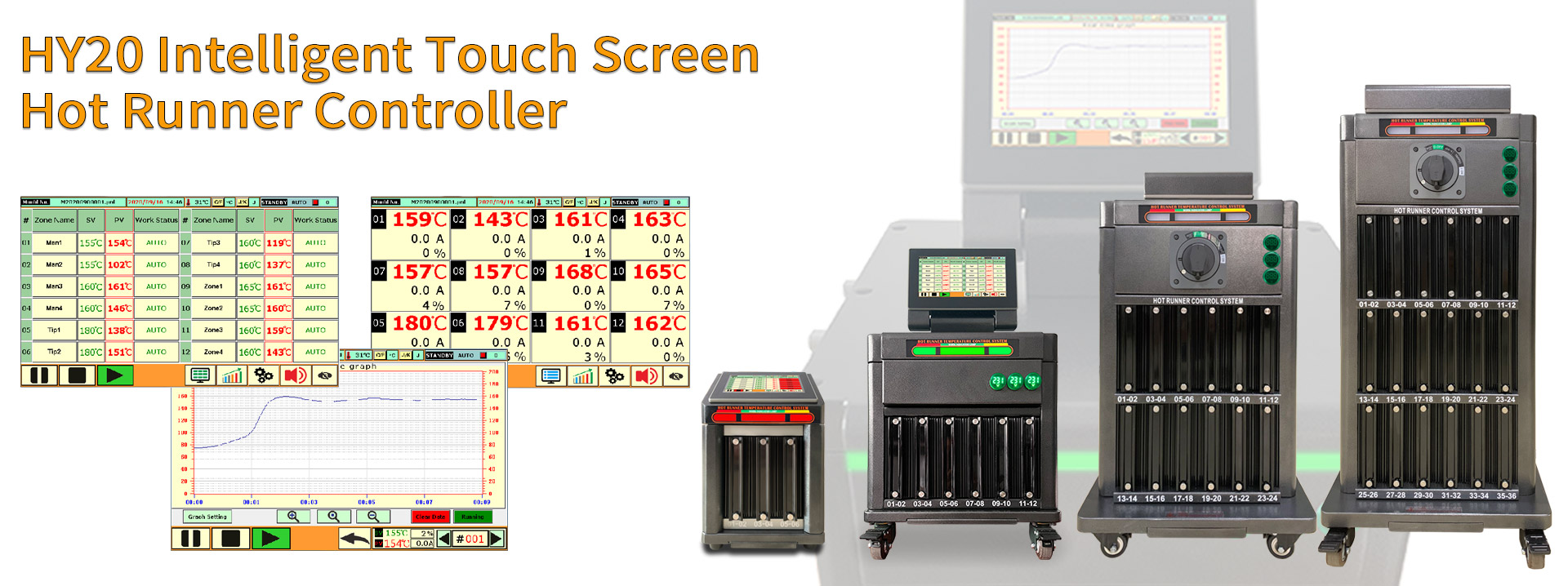
Touch screen controllers offer the most intuitive operation and are increasingly used for multi-zone systems like hot runner control, where operators manage dozens of zones at once. Our touch screen hot runner controller is an example of this category.
Think about who will operate the unit. If operators change setpoints regularly, a clear interface saves errors and training time.
6. Communication and Monitoring
Do you need to log data, monitor from a distance, or integrate with a plant system?
Common options include Modbus RTU, RS485, Ethernet, and WiFi. These enable remote setpoint changes, data logging, and alerts when a zone drifts out of range. For regulatory or quality purposes, temperature records are often mandatory — a communicating controller makes that automatic.
For multi-zone systems, communication also means central monitoring. A single console can display every zone's status, flagging problems before they become rejects.
7. Environment and Reliability
A controller on a clean bench faces different conditions than one on a factory floor. Consider:
Enclosure rating — dust and moisture ingress. Look for IP54 or higher for shop-floor environments; NEMA ratings if your industry uses them.
Ambient temperature — controllers generate heat and sit near hot processes. Ensure adequate airflow and derate specifications accordingly.
Electrical noise — motors and heaters create interference. Choose controllers with proper shielding and filtering for industrial settings.
Brand reliability and support — a controller that fails mid-run costs more than its purchase price. Check the manufacturer's warranty, spare availability, and technical support response.
Temperature Controller Types at a Glance
| Type | Control | Typical Accuracy | Best For | Typical Cost |
|---|---|---|---|---|
| Mechanical thermostat | On/off | ±1-3°C | Simple, low-cost applications | $5-50 |
| Digital on/off controller | On/off | ±1-2°C | Refrigeration, incubators, DIY | $15-80 |
| PID controller (single zone) | PID | ±0.1-1°C | Industrial processes, ovens | $80-400 |
| Multi-zone PID controller | PID | ±0.1-1°C | Hot runners, multi-cavity molds | $500-5000 |
| Temperature control unit (TCU) | PID + circulation | ±0.5-1°C | Mold temperature control | $2000-15000 |
| Programmable logic controller (PLC) | Programmable | Depends | Full machine control | $1000+ |
Temperature Controllers in Action: Key Applications
Seeing temperature controllers at work helps clarify what to buy. Three applications cover most of the selection criteria in this guide.
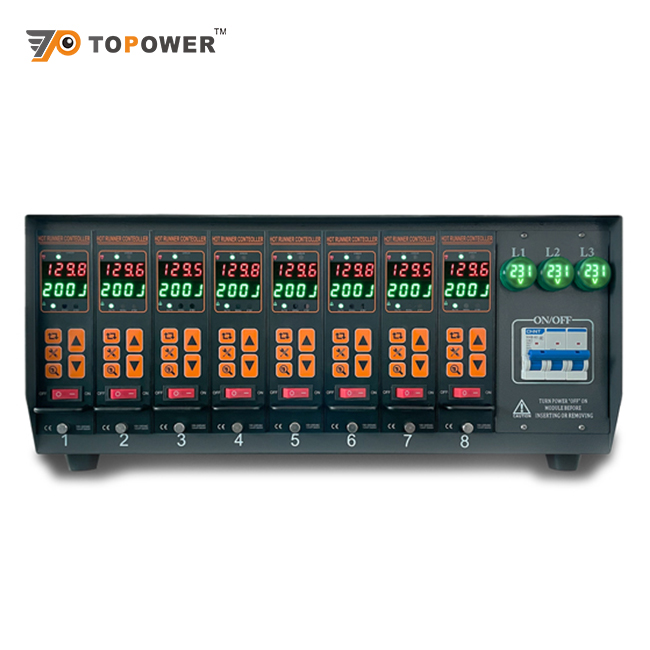
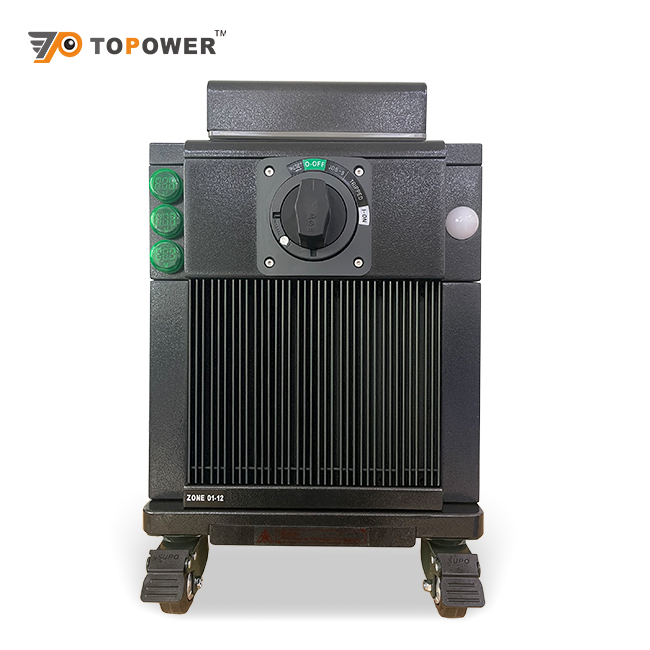
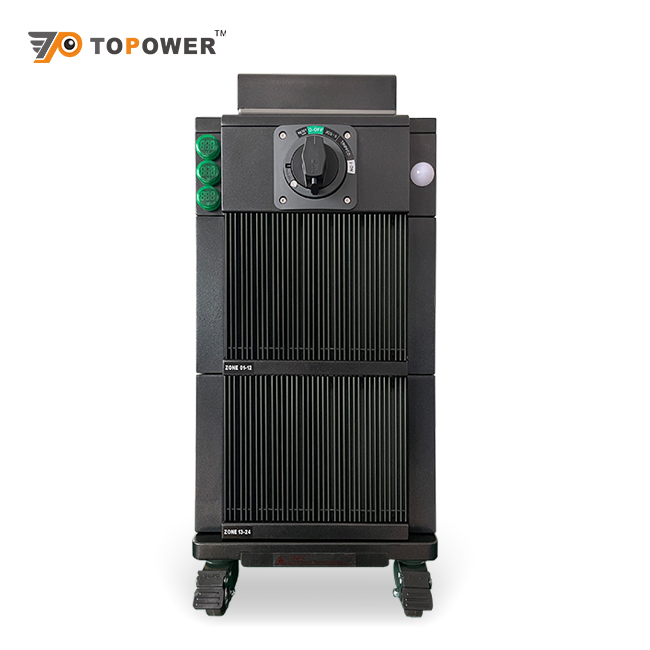
Injection molding and hot runners. Every mold zone needs its own control loop. A hot runner temperature controller manages each nozzle and manifold zone independently, holding melt temperature within ±1°C. Choose modular units for flexibility or touch screen units for high zone counts — our modular TP01 series covers 1-12 zones per unit.
Mold temperature control. A mould temperature controller (MTC) circulates water or oil through the mold to maintain cavity temperature. Stable mold temperature reduces warpage, sink marks, and cycle time variation — the same defects covered in our injection molding defects guide.
Industrial process control. Ovens, furnaces, and test chambers use single-zone PID controllers with ramp-and-soak profiles. For a deep dive on temperature control units in industrial settings, see our thermolator and TCU guide.
Laboratory and quality. Environmental chambers, incubators, and test fixtures need repeatable temperature control for valid results. Ramp-and-soak programming and data logging are common requirements here — two features worth paying for in laboratory-grade temperature controllers.
Food and cold chain. Commercial refrigeration, cold rooms, and transport containers use on/off temperature controllers with tight hysteresis to protect product and minimize energy use. The priority is reliability: a failed controller in cold storage means product loss, so redundant alarms matter.
If your application involves heating elements themselves — cartridge, band, or tubular heaters — the controller must match the heater's power rating and switching requirements. See our ceramic heater band guide for heater selection details that pair with controller choice.
Common Mistakes When Buying Temperature Controllers
Knowing what goes wrong helps you avoid it. These are the most frequent buying errors we see.
Buying on price alone. The cheapest controller may cost you far more in scrap. Match capability to the process, then compare prices within that bracket.
Ignoring the sensor. The sensor is half the accuracy equation. Buying a precision controller and pairing it with a mismatched or poor-quality sensor wastes the investment.
Under-sizing zones. A multi-zone process needs independent control per zone, not a single controller trying to handle everything. Check the zone count before ordering.
Skipping communication needs. Retrofitting communication later is expensive. If you think you might need data logging or remote monitoring, buy the communicating version now.
Maintaining Your Temperature Controllers
These control units are reliable, but they are not maintenance-free. A few habits keep them accurate and extend their working life.
Calibrate sensors annually. Thermocouples drift over time, especially under repeated thermal cycling. Annual calibration against a known reference catches drift before it causes rejects. For processes with tight tolerances, calibrate every six months. Most industrial temperature controllers store calibration offsets that make this quick.
Check connections. Loose thermocouple or heater connections are a leading cause of intermittent problems. Vibration loosens terminal screws; thermal cycling works connectors loose. A preventive check of all terminations every quarter prevents most connection-related failures. Poor sensor connections also produce erratic readings that mimic controller faults.
Keep vents clear. Controllers generate internal heat. Blocked vents raise internal temperature, shorten component life, and can push readings out of spec. On dusty shop floors, clean controller vents and enclosures regularly. Heaters nearby also raise ambient temperature — reroute airflow or add distance if the enclosure runs hot to the touch.
Plan spare units. For critical processes, keep a spare controller configured for the same job. Swapping a failed unit for a pre-configured spare restores production in minutes instead of hours. This is standard practice in plants running temperature controllers on every line.
PLACEHOLDER5 Neglecting them turns a good controller into a source of mysterious quality problems — the kind that get blamed on everything except the aging sensor.
Frequently Asked Questions
Why do I see temperature controllers listed with different IP ratings?
The IP (Ingress Protection) rating tells you how well the enclosure resists dust and water. IP54 means dust-protected and splash-resistant — the typical minimum for factory floors. IP65 or higher means fully dust-tight and water-jet resistant, suited to wash-down environments. If your controllers sit near coolant or grinding dust, check this rating before buying.
What is hysteresis on an on/off temperature controller?
Hysteresis (or differential) is the gap between the switch-on and switch-off points around the setpoint. A 2°C hysteresis means the controller turns the heater on 2°C below setpoint and off at setpoint — or the reverse for cooling. Wider hysteresis reduces cycling and relay wear but increases temperature swing. Narrower hysteresis holds temperature tighter but cycles faster.
What is the difference between a thermostat and a temperature controller?
A thermostat is a basic on/off unit in the temperature controllers family, usually with mechanical or simple electronic switching. The term "temperature controller" is broader — it includes PID control, programmable profiles, communication, and multi-zone capability that thermostats lack.
What does PID mean in a temperature controller?
PID stands for proportional-integral-derivative — three control terms that together hold temperature with minimal error and overshoot. Proportional responds to current error, integral corrects accumulated error, and derivative dampens rapid changes. Most PID temperature controllers offer auto-tune to set these parameters automatically.
How accurate do I need a temperature controller to be?
It depends on your process tolerance. Food storage needs about ±1-2°C. Injection molding typically needs ±0.5-1°C. Semiconductor processing and some laboratory work need ±0.1°C. Match the controller and sensor to the tightest tolerance your process requires.
Can I use one controller for multiple zones?
Only if the zones share the same thermal conditions, which is rare. Each independent zone — each nozzle, each mold cavity — should have its own control loop. Multi-zone controllers package many loops in one unit, like our touch screen hot runner controllers that manage 1-60 zones.
Should I choose a relay or SSR output?
Relay outputs suit slow-cycling on/off control with modest loads. SSR outputs suit PID control and fast cycling — no moving parts, no wear, silent operation. If you plan PID control, choose SSR. For 4-20mA or 0-10V analog outputs, you are driving proportional devices instead of switching.
How long do temperature controllers last?
Well-built controllers last 10+ years in normal service. The output stage is the wear point: relays wear out after 100K-1M cycles, while SSRs typically outlast the controller. Display and electronics generally fail last. Regular calibration and clean power extend life significantly.
What is auto-tune on a PID controller?
Auto-tune runs the controller through a test cycle, measures how your system heats and cools, and calculates the P, I, and D parameters for your specific process. It removes the guesswork from tuning — essential when you swap controllers between different machines or processes.
Temperature Controller Buying Checklist
Use this checklist when you shortlist models. It turns the seven factors into concrete questions for each candidate.
| Checklist Item | Ask This Question | Write Down |
|---|---|---|
| Temperature range | Does the range cover my process with 20% margin? | ___°C to ___°C |
| Accuracy | Is the stated accuracy enough for my tolerance? | ±___°C |
| Sensor type | Does it support my thermocouple/RTD/thermistor? | Type ___ |
| Control method | On/off, proportional, or PID with auto-tune? | ___ |
| Output | Relay, SSR, or analog (4-20mA / 0-10V)? | ___ |
| Zones | How many independent zones do I need? | ___ zones |
| Interface | LED, LCD, or touch screen — who operates it? | ___ |
| Communication | Modbus, RS485, Ethernet, or WiFi needed? | ___ |
| Environment | IP rating, ambient heat, electrical noise? | IP___ |
| Support | Warranty, spare parts, technical help available? | ___ |
Fill in the answers for each candidate controller. Compare the completed forms side by side — the differences between models become obvious when every factor is written down. This is the same discipline engineers use when specifying temperature controllers for production lines.
Conclusion
Choosing the right units does not have to be guesswork. Work through the seven factors — range and accuracy, sensor, control method, output, interface, communication, and environment — and the right model becomes clear. Match the controller to your process tolerance, pair it with the correct sensor, and buy for the long term rather than the lowest price.
At C N Topower, we build temperature control equipment for industrial processes, from mould temperature controllers to multi-zone hot runner controllers. Our engineers help you match the right controller to your application — contact us with your process details and we will recommend a solution.